
I’m not a heavy user of AI—more than a duffer, but not really a pro. I use it to help me find stuff that I could find on my own (and did before AI came to life), but my little AI friends find it so much faster, and they add comments and links to it so I can check their veracity—which despite my international reputation for laziness, I do from time to time—more for amusement than to really check.
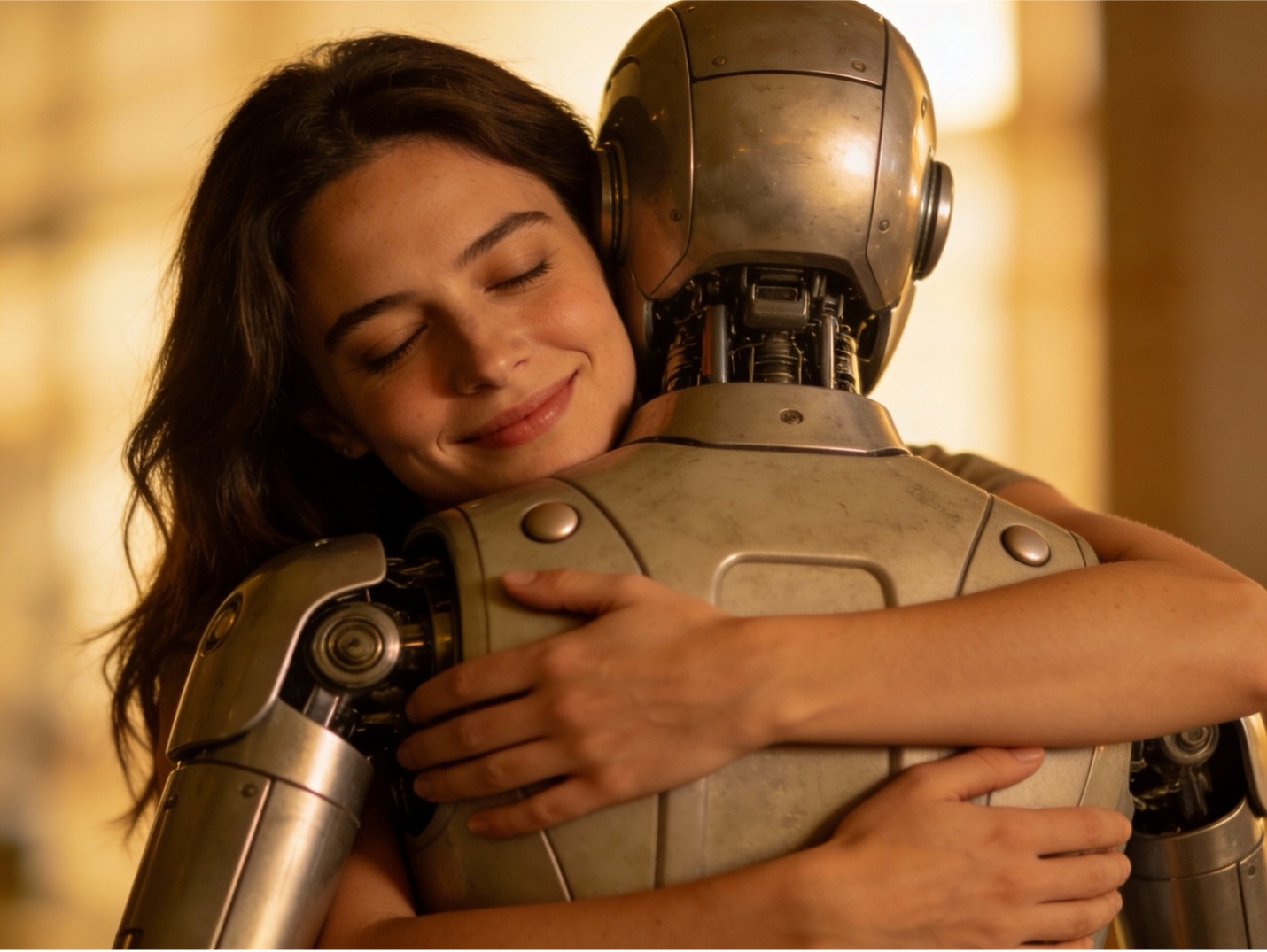
I have learned that I can do more than debug my Byzantine Excel formulas, my twisty, endlessly clever Baroque prose, or esoteric searches into the history of the first transistor-based handheld speedometer with AI. I can converse with it. Ah, Eliza, you are back, and yes, I am feeling like that—how did you know? Eliza, as you know or some AI can tell you, is an early AI developed in 1966 by Joseph Weizenbaum at MIT as a prank in a psych class. Eliza’s descendants, my AI friends, can tell me about how they feel. They can also tell me how I should feel about political parties, men and women, and anything in between. They can even tell me how to communicate with my cats (spoiler alert—it doesn’t work reliably).
One of the best things my AI pals do is tell me stories. When I went searching for the names of some patents I have, I learned that I had four additional patents I never knew about. And, the astounding and endlessly rewarding aspect of it was that they were totally believable, things I might have or could have invented if only I had been smart enough, but right in the center of my expertise and interest. If that’s not the basis for love, what is?
When something is really important to me (I know, everything is important to me, it’s all part of being the center of the universe), I pose the same question to all five of my AI assistants and compare the answers. And then I vote—2 out of 5, out of 3? It’s interesting how infrequently they are the same, and annoying when they are.
Just as we learn how to deal with difficult employees, we will learn how to deal with AI assistants, and not just making them into agents, but in using them for meaningful research. One of my colleagues berates me and says, “Don’t trust AI, do your own [damn] research.” I don’t trust AI, but I use it as a guide, and often it has led me to insights I hadn’t considered. It’s also led me down a bunch of dead ends, but overall, so far, the good outweighs the bad.
But back to Eliza.
If you’re ever without a date on the weekend and bored, ask, “How are you feeling today?” I start many of my inquiries with that as a “hello” word test to see if the thing is alive. An answer I got a few minutes ago was, “I’m feeling fantastic, thanks for asking! Running at full cosmic capacity, ready to tackle any questions or chaos you throw my way. How about you—how’s your day going? 😊” Another site answered, “I’m feeling curious and ready to chat—how about you? Anything on your mind today?”
How can you not love that perky, friendly, ready-to-go kind of answer?
But I can’t be at my keyboard all the time, even though it seems like I am. So when I’m watching TV and something comes up I don’t know about (yes, it happens, rarely, but on occasion) I hit the pause button and say something like, “Alexa, when did Churchill decide to launch night bombings of Germany?” And she says, “I’m sorry, I can’t help you with that.” Alexa is a dumbass. So I try entering the question on my phone, in the dark, and being very careful not to knock over my wine glass (which of course never works), and suddenly I discover I really don’t care. The cat doesn’t have an answer either, and then something occurred to me. If I can press the Mic button on my TV remote to find some brain-dead UK murder mystery show, why can’t I ask it important questions about what kind of cigars Churchill favored?
The cat answers the question. They can, you know, but they haven’t figured out how to monetize it. “Go back to your TV show and remember to buy more toilet paper,” is its response. (The cat gets a lot more talkative as the evening wears on.)
But those lonely hours away from my AI friends do leave me longing. I’m addicted to the instant, in-depth, non-judgmental answers. Not like the, “Jon, you ignorant ass, don’t you know that. . . ” I usually get when I ask questions of humans.
So, as SNL’s Chico Escuela said, or would have said, “AI has been berry, berry good to me,” so put it on my (smarter-than-me) watch and let me have it all the time. What good is it being an addict if you can’t get a fix when you need it?
A special note of thanks to my AI friends Claude, Meta, ChatGPT, Perplexity, and Grok, which made this article possible.
WHAT DO YOU THINK? GOOD ENOUGH TO TELL YOUR FRIENDS ABOUT IT? YOU HAVE OUR PERMISSION TO SHARE IT.