
At CES 2026, HP set the stage for a busy year by unveiling new AI-ready notebooks and a refreshed gaming identity. The EliteBook X G2 and OmniBook Ultra 14 stepped forward with Snapdragon X2 Elite processors and enough NPU power to juggle multiple AI apps on the road, backed by Wolf Security and designs built for easy repair. At the same time, HP pulled Omen and HyperX together, launching new gaming systems, displays, and controllers under one banner, creating a more unified and imaginative ecosystem for players.

(Source: HP)
At CES 2026, HP introduced its first commercial and consumer notebooks offering up to 85 TOPS NPU for concurrent AI apps: the HP EliteBook X G2 series and HP OmniBook Ultra 14, with Snapdragon X2 Elite.
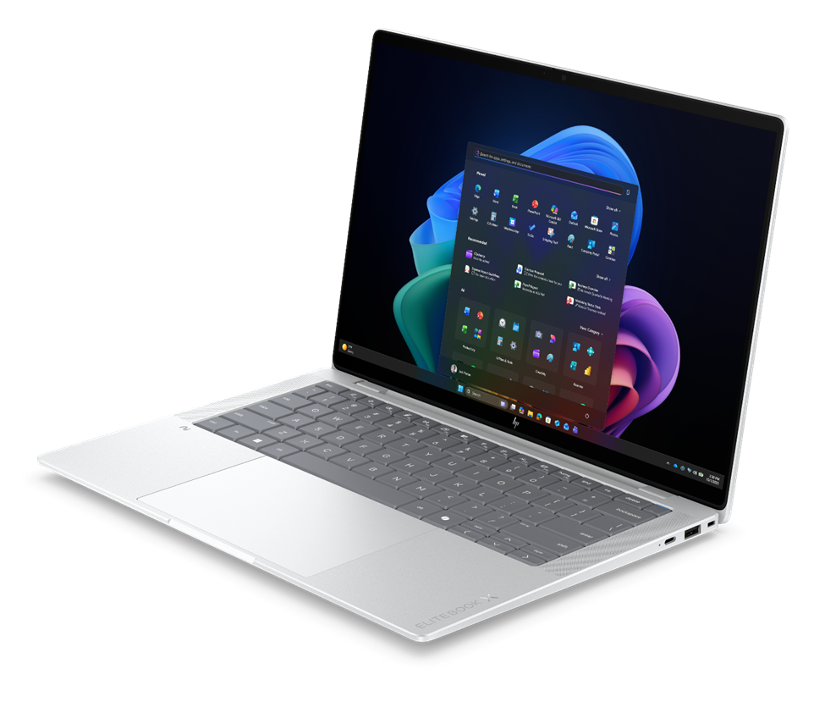
Figure 1. HP EliteBook X G2i, AI PC. (Source: HP)
Security features rely on HP Wolf Security for Business, which reinforces the system at hardware, firmware, and OS-adjacent layers. The protection model is structured to address offline operation and travel use cases, where threats may arise outside controlled network environments. The G2i model’s sub-1 kg design aims to support users who prioritize extended mobility. Battery performance targets daylong operation to reduce dependence on external power during travel.
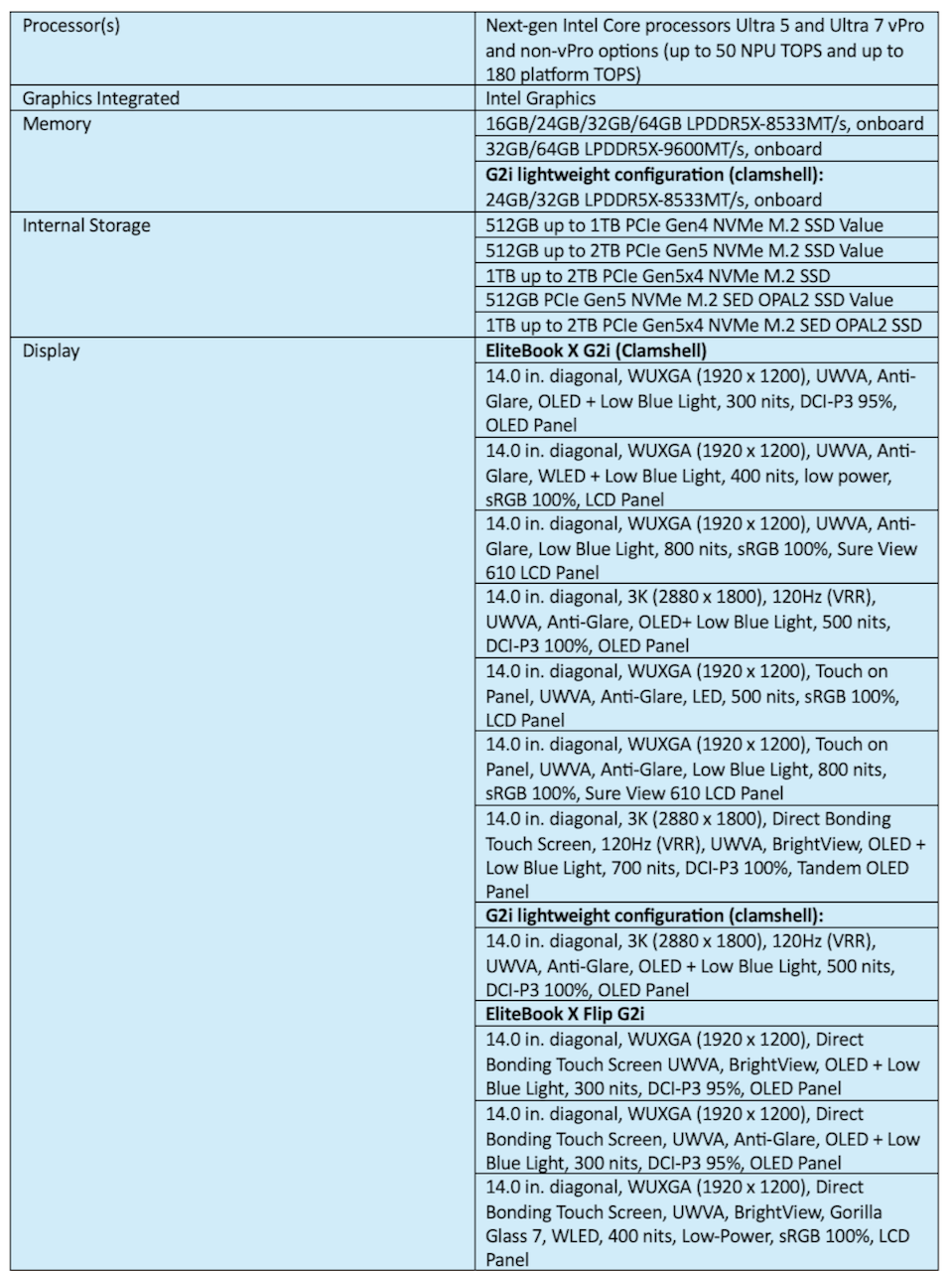
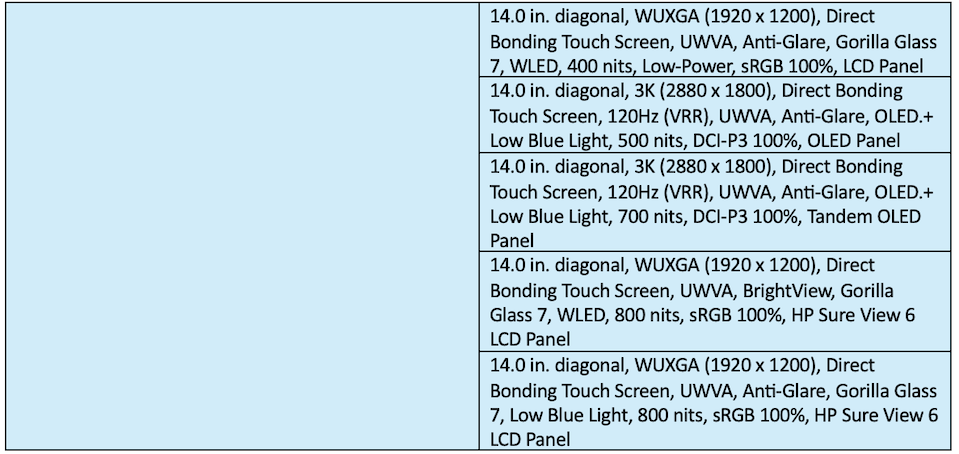
Table 1. HP Elite specifications. (Source: HP)
Serviceability also plays a central role in the G2 series. HP redesigned internal access to reduce maintenance time, including a top-mounted keyboard structure that shortens replacement procedures. The design supports organizations that cycle devices through repair, refurbishment, and redeployment, allowing IT teams to maintain fleet continuity with minimal interruption.

(Source: HP)
Availability begins in February for Intel-based models and in the spring for AMD- and Qualcomm-based configurations. Pricing will be announced closer to the respective release windows.
Omen
HP also introduced a unified direction for its gaming portfolio by bringing Omen and HyperX together under the HyperX brand. This transition signals a coordinated approach to gaming systems, peripherals, displays, and supporting software. HyperX now represents HP’s complete ecosystem for players who rely on integrated hardware and consistent performance across devices. The move also reflects HP’s intention to advance technical capability, creative flexibility, and player-driven customization within one consolidated identity.
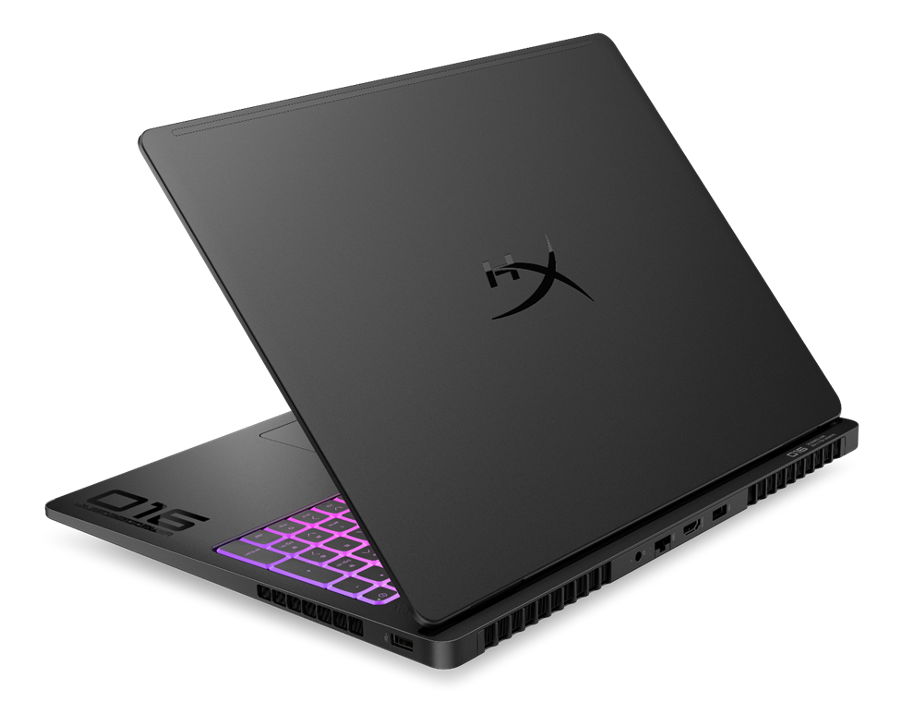
Figure 2. HP’s new HyperX Omen Max 16, with fully internal cooling. (Source: HP)
The HyperX Omen Max 16 marks HP’s shift toward a unified gaming platform grounded in computational capacity, thermal consistency, and fast input response. Its design supports players who require stable performance during extended sessions and precise visual feedback. Intel Core Ultra 200HX processors, AMD Ryzen AI processors, and Nvidia GeForce RTX 5090 Laptop GPUs supply the necessary processing range for demanding software and local AI tasks. The Omen Tempest Cooling Pro system regulates thermals through a three-fan design and automated airflow maintenance. A high-polling-rate keyboard, OLED 240 Hz display, and Omen AI tuning further refine system behavior for game-specific requirements.
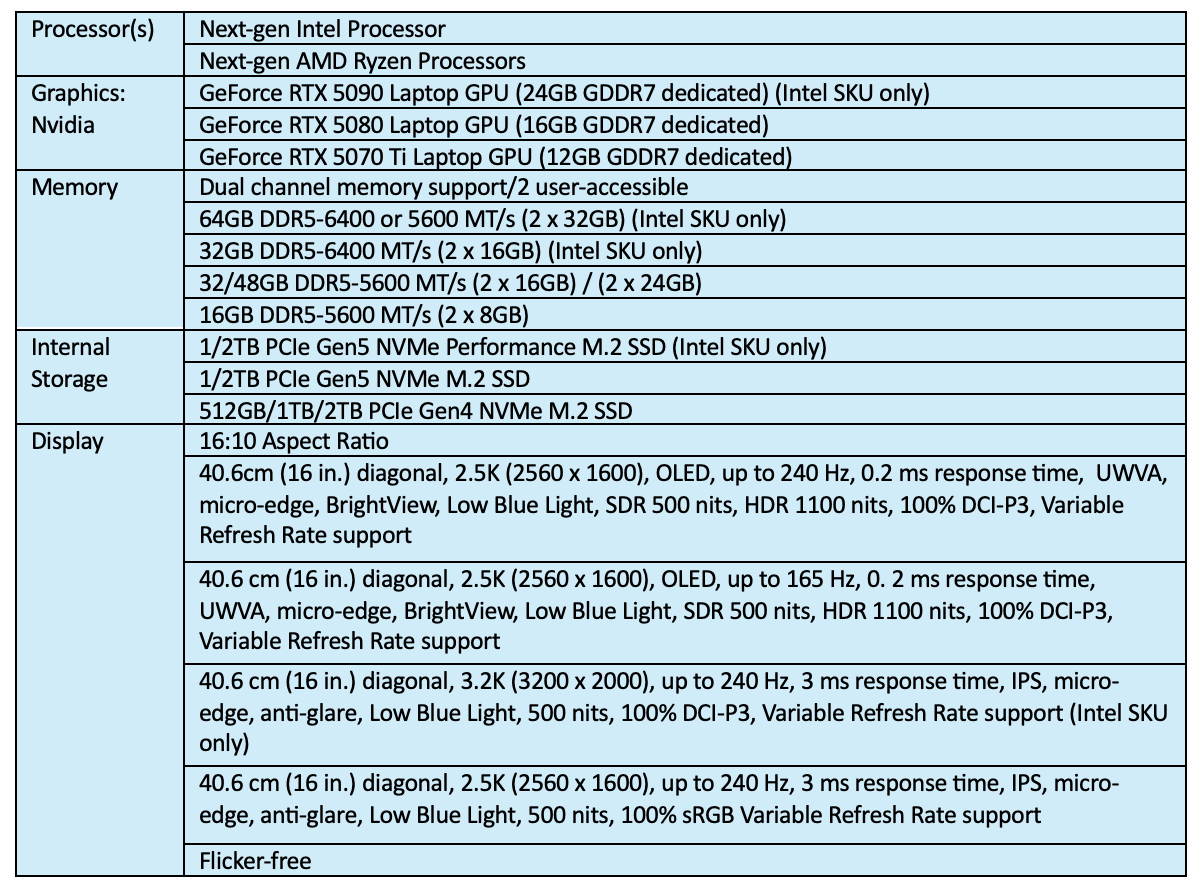
Table 2. HP Omen AI specifications
HP also introduced the HyperX Omen OLED 34, a display aimed at gamers and creators who require consistent color behavior, high refresh capability, and sharp text rendering.
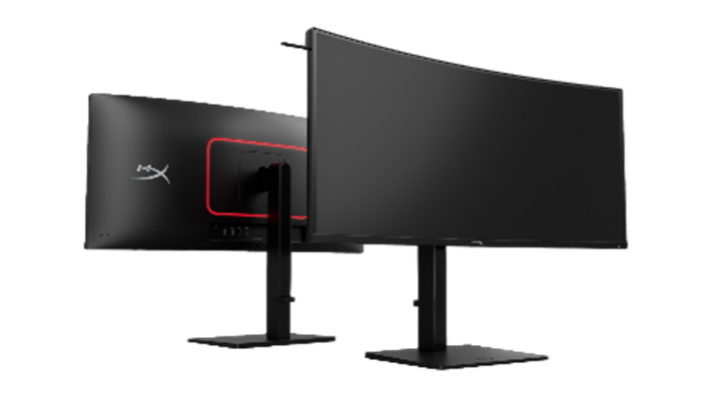
Figure 3. HP’s HyperX Omen OLED 34, a 34-inch gaming monitor powered by next-generation V-stripe QD-OLED panel technology. (Source: HP)
The monitor uses next-generation V-stripe QD-OLED technology to improve clarity and reduce fringing. Its ultrawide 21:9 WQHD format, 360 Hz refresh rate, and rapid pixel transitions contribute to fluid motion tracking. HyperX ProLuma extends the panel’s color management capability, while 100 W USB-C power delivery and a built-in KVM switch accommodate multi-device workflows. Users can customize the display further with 3D-printable accessories, such as a headphone hook. HyperX OLED CoreProtect manages panel health during prolonged operation.
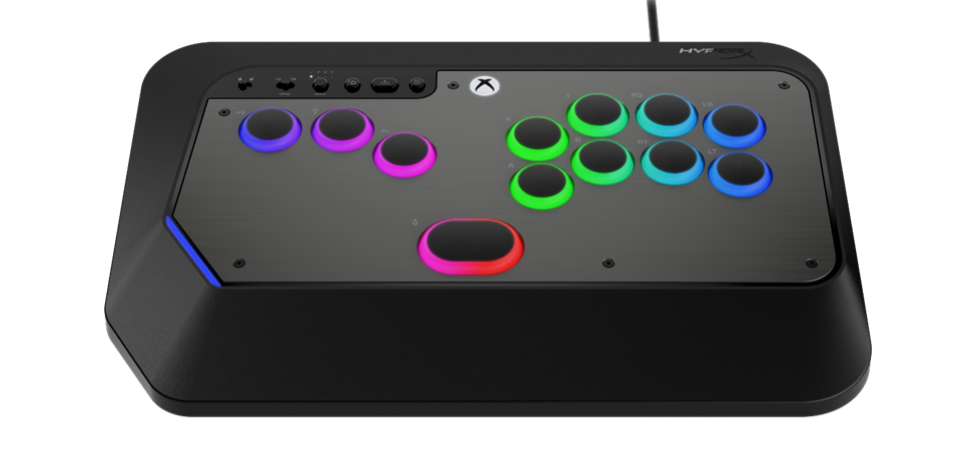
Figure 4. HP debuted the HyperX Clutch Tachi, HP’s first Xbox-licensed arcade controller. (Source: HP)
The HyperX Clutch Tachi expands HP’s gaming input portfolio with a leverless Xbox-licensed controller. Magnetic switches with TMR sensors support fast actuation, while Ngenuity software enables configuration of button behavior, rapid-trigger adjustments, and personalized layouts. The design also supports 3D-printed modifications for users who want custom button shapes or unique artwork.
HyperX is also collaborating with Neurable to develop a headset that interprets brain activity in real time. This collaboration explores how neurotechnology and AI may support player focus and accuracy during gameplay.
All new HyperX products begin rolling out in the spring, with pricing details scheduled for announcement closer to launch.
What do we think?
Together, HP’s announcements at CES 2026 sketched a clear picture of where the company intends to go next. Its new AI-focused notebooks show a commitment to meeting the practical needs of modern workers who move constantly, depend on local intelligence, and require systems that stay secure and serviceable through heavy daily use. The merger of Omen and HyperX signals a parallel shift in gaming, bringing hardware, peripherals, displays, and software into a single ecosystem shaped around player behavior rather than separate product lines. The new systems and accessories emphasize responsiveness, thermal stability, visual clarity, and deeper personalization, giving both competitive and casual players tools that adapt to their pace. HP’s exploration of neurotechnology through its partnership with Neurable adds another dimension, hinting at experiences that react not just to inputs but to the player’s cognitive state. With these combined efforts, HP moves into 2026 with a unified strategy built around mobility, intelligence, and user-directed design.
LIKE WHAT YOU’RE READING? DON’T KEEP IT A SECRET, TELL YOUR FRIENDS AND FAMILY, AND PEOPLE YOU MEET IN COFFEE SHOPS.