
Generative AI’s influence in Hollywood has been growing steadily and, at times, stealthily. There is now a plethora of AI-powered software solutions that assist human practitioners in performing certain tasks, and studios and artists are taking advantage of them. Initially, M&E projects have turned to generative AI for tasks such as previsualization and scene exploration, but now the technology is seeping into the final-shot phase. Baby steps, for now, but before we know it, it will be at a full run.
Generative AI. Some love it, some hate it. In certain industry segments, like science and medicine, it is seen as a panacea—even, quite literally, a lifesaver. In the world of entertainment, your perspective on the technology usually depends on which side of the table you are working from. Management sees the financial advantages; artists find certain AI-powered tools advantageous but fear the bigger picture that can result from AI’s presence in Hollywood such as the loss of jobs and degradation of artistry.
Let’s be clear: AI is not on its way to Hollywood; it has already arrived. AI is being used in some capacity across nearly every facet of filmmaking, including scriptwriting, editing, and animation—to the dismay of human practitioners, at least when it comes to creative functions.
Late last year, AI played a major role in the film Here, to age and de-age the characters throughout the production. Without the use of AI, the movie would have been too expensive to make, the filmmakers claimed. Several years before, the experimental sci-fi short “Sunspring” was written in its entirety by an AI bot named Benjamin. The bot was also responsible for another science-fiction short, “Zone Out,” which it scripted and directed, assembling the short from a plethora of old films. While the shorts did not receive rave reviews, particularly when it came to creativity, they did show the power of AI in filmmaking (and, perhaps unintentionally, the need for human intervention). The point is, while AI is not likely to receive an Oscar anytime soon, its role is expanding.
You can bet we have no idea as to just how much AI is being used in the filmmaking process today. Sometimes studios will talk about it, and at one point, they seemed eager to show how advanced they are by using this buzzy new tech. Recently, though, with the backlash it is receiving by human practitioners in the industry, they are reluctant to divulge their secret.
According to Netflix co-CEO Ted Sarandos, for its post-apocalyptic sci-fi (how ironic) series The Eternaut, the crew leveraged virtual production, VFX, and AI. He revealed on an earnings call that the series contains a partial AI-generated scene involving a building collapse, for which the Netflix Scanline innovation iLine team partnered with their creative team. He added that this partnering is ongoing, leading one to believe that there will be more AI-generative shots to come.
The origins of the scene would likely have gone undetected if not for Sarandos spilling the beans, obviously not hiding Netflix’s use of GenAI to create the shots, calling the sequence “the very first GenAI final footage to appear on screen in a Netflix, Inc. original series or film.”
Using AI powered tools, they were able to achieve an amazing result with remarkable speed, Sarandos stated, adding that the VFX sequence was completed 10 times faster than it could have been done using traditional VFX tools and workflow. Moreover, he noted that, alternatively, filming the scene would have been out of the question due to the expense.
“We were thrilled with the result. And more importantly, the audience was thrilled with the result. So I think these tools are helping creators expand the possibilities of storytelling on-screen, and that is endlessly exciting,” the Netflix co-CEO said.
According to Sarandos, Netflix creators are reaping benefits in production through previsualization, shot planning work, and visual effects. It used to be that only big-budget projects would have access to advanced visual effects. But now, with GenAI, this type of work is available to more projects.
In a nod to the human artists, Sarandos touched on the need for the human hand and mind, stating, “This is real people doing real work with better tools.”
Creatives have been taking advantage of generative AI-powered tools for a while now. Many of the traditional tools in the pipeline are infused with AI—Autodesk’s Maya, Blackmagic Design’s DaVinci Resolve, and Adobe’s Premiere Pro, to name but a few. The tools enable artists to take advantage of AI and assist them in their work. However, in the case of The Eternaut, GenAI went beyond assisting; it generated visual content.
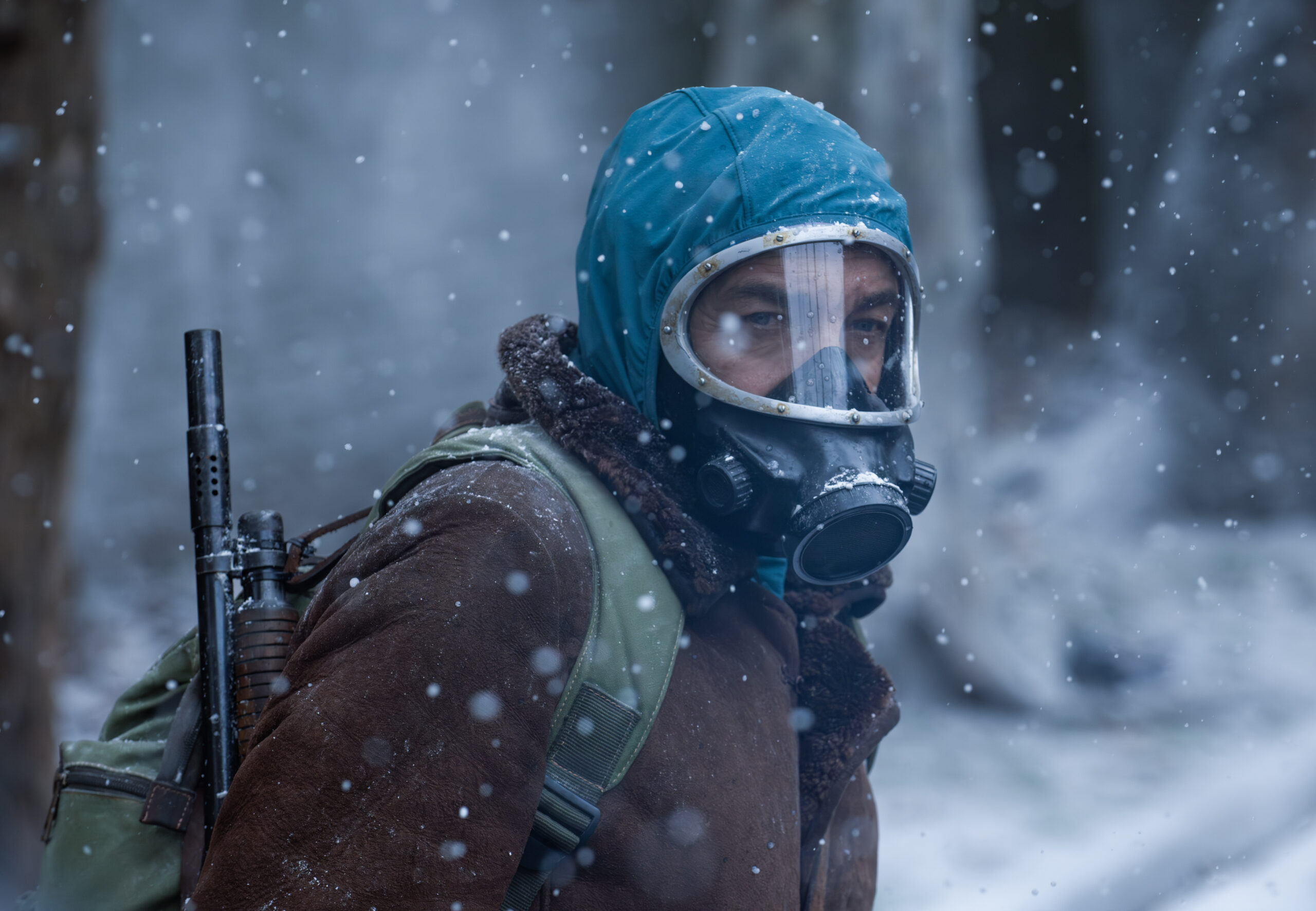
Netflix used AI-generated VFX for shots of a building collapse in its series The Eternaut. (Source: Cr. Marcos Ludevid / Netflix ©2025)
In the company’s latest earnings call, Sarandos appeared proud, or perhaps resigned, to the fact that Netflix was using AI tools for more than set references, previs, VFX sequence prep, and shot planning. Others in Hollywood are not as forthcoming.
Even the heavily Oscar-nominated film The Brutalist generated some controversy around its use of GenAI as it employed Respeecher AI voice-generator software to make the lead characters sound more authentic when speaking Hungarian in the film, editor David Jancso said in an interview.
Does this increase in generative AI usage foretell the collapse of human creators in Hollywood? (See Jon Peddie’s related story on this topic here.) Probably not, at least not at this point. There will be some who look at the bottom line and see GenAI as a time-saver and money-saver, and employ it, albeit sparingly—at least for the time being. (In case you were wondering, the Netflix sequence is just a few seconds in length.) Nevertheless, is this the proverbial frog in a pot of boiling water for the industry?
For films and series to be truly entertaining, the creative aspect is crucial. That’s what humans bring to the table… for now.
LIKE WHAT YOU’RE READING? INTRODUCE US TO YOUR FRIENDS AND COLLEAGUES.