
Microsoft expanded its Surface for Business portfolio with three Copilot+ PCs targeting enterprise mobility, hybrid AI workflows, and device security. The lineup includes a compact 13-inch Surface Laptop, updated 13.8-inch and 15-inch Surface Laptop models, and a redesigned Surface Pro 13-inch 2-in-1 system. Across the family, Microsoft emphasizes on-device AI processing, Wi-Fi 7, enterprise manageability, repairability, and long battery life. The company continues positioning Surface hardware as a tightly integrated endpoint platform aligned with Windows security, firmware management, and hybrid AI deployment strategies.
Microsoft introduced three new Surface for Business systems aimed at mobile professionals, enterprise deployments, and hybrid AI workflows. The new devices expand the company’s Copilot+ PC portfolio while emphasizing on-device AI inference, enterprise security, repairability, and centralized management.
The new Surface Laptop for Business 13-inch targets the entry-premium segment with a smaller, highly portable design. Microsoft offers the system in 16 GB and 24 GB configurations starting at $1,499 MSRP, with an 8 GB version arriving later this year at $1,299. The notebook integrates on-device AI processing, Wi-Fi 7, and a removable Gen 4 SSD designed for enterprise serviceability. Microsoft positions the platform for organizations that want compact systems without sacrificing productivity or manageability.
Microsoft also refreshed the larger Surface Laptop for Business family in 13.8-inch and 15-inch formats. These systems target knowledge workers operating across offices, client sites, and hybrid environments. Pricing starts at $1,949.99 MSRP. The updated models include a haptic touchpad, high-resolution touchscreen displays, and optional integrated privacy screens with anti-glare capability on selected configurations. Microsoft rates battery life at up to 23 hours. The systems focus on mobility, collaboration, and long-duration productivity for enterprise deployments.
The new Surface Pro for Business 13-inch extends Microsoft’s 2-in-1 strategy with support for touch, voice, pen, and keyboard input alongside on-device AI acceleration. Pricing also begins at $1,949.99 MSRP. Microsoft designed the system for mobile workers who shift frequently between desk-based and field-based workflows. Selected configurations include 5G connectivity for persistent network access outside traditional office environments.
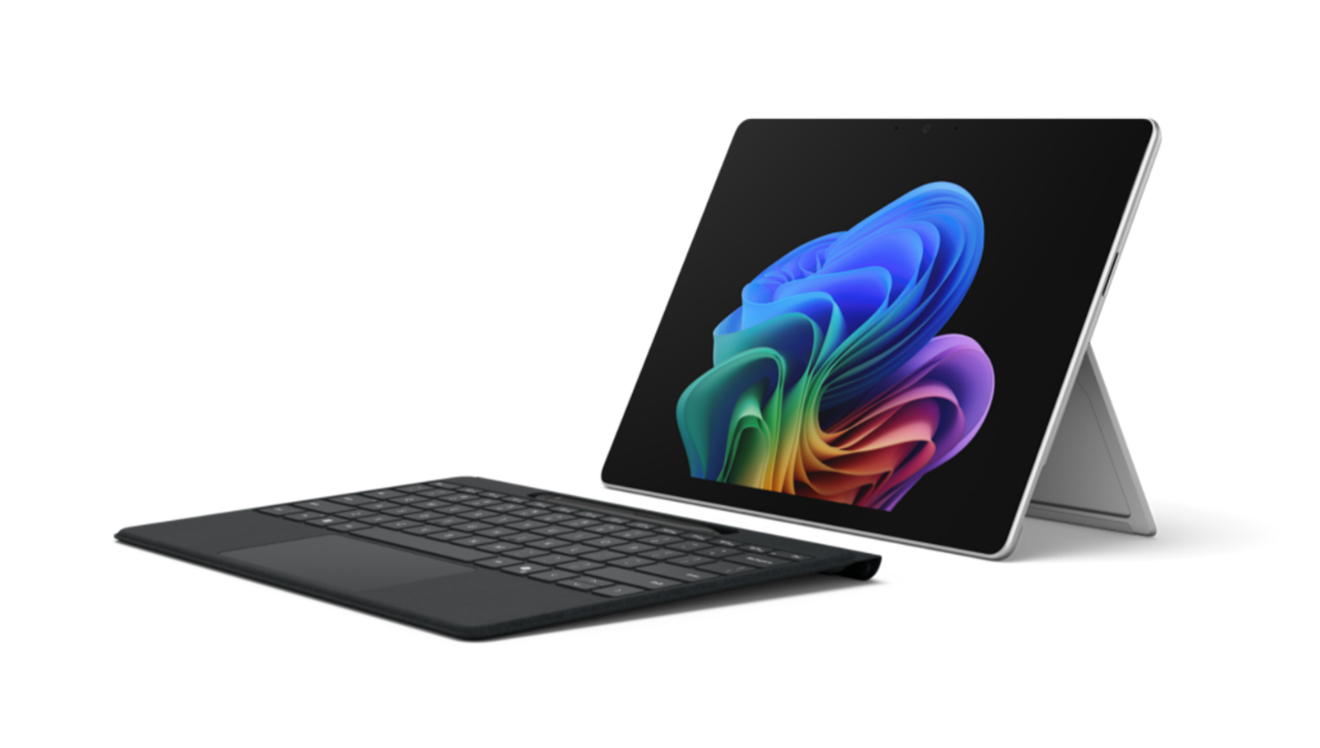
Figure 1. The 13-inch Surface 2-in-1. (Source: Microsoft)
Microsoft says the new Surface systems follow three core design principles. The company prioritizes security and trust through Secured-core PC architecture and integrated firmware protections tied directly into the Microsoft security stack. Microsoft also positions Surface hardware as an AI-ready endpoint platform capable of supporting hybrid AI workflows, centralized management, and workflow acceleration. The third focus centers on reliability, sustainability, repairability, and human-centered industrial design intended to reduce downtime and improve long-term serviceability.
Every new Surface for Business device ships as a Secured-core PC with firmware management delivered through Windows Update. Microsoft continues integrating security controls from firmware through cloud management layers as enterprises increase focus on endpoint protection, AI-assisted workflows, and device life cycle management.
Surface for Business yesterday (May 19, 2026) come with Intel Panther Lake Core Ultra Series 3 chips, with Snapdragon X2 consumer models coming later this summer. Here’s the full TOPS picture across the current and incoming lineup:
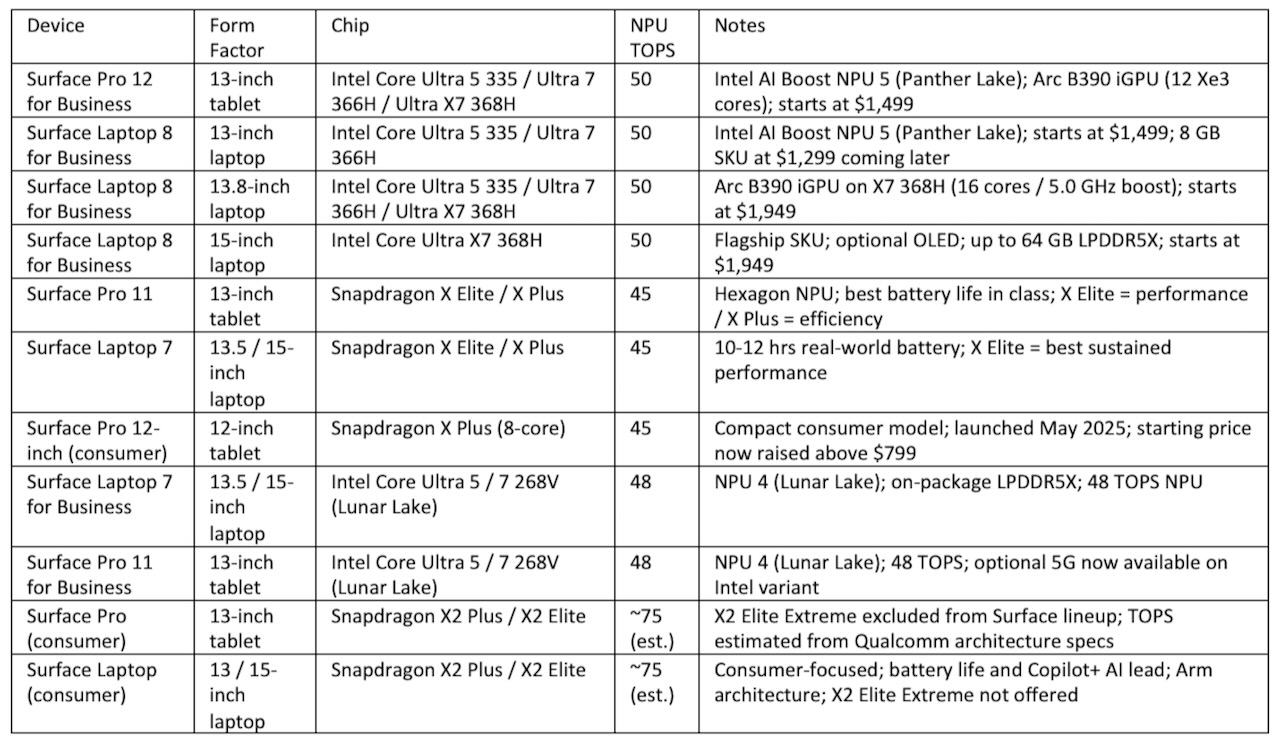
Table 1. Specifications and features of the new Surface notebooks. (Source: Microsoft)
Microsoft launched the Surface Laptop 8 and Surface Pro 12 for Business literally yesterday with Intel Panther Lake Core Ultra Series 3 chips.
Three things stand out in the TOPS progression:
The new Intel Panther Lake Surface devices deliver 50 TOPS from the Intel AI Boost NPU—a meaningful step up from the 48 TOPS in the Lunar Lake generation and well above the 40 TOPS Copilot+ minimum. The Snapdragon X first-gen devices at 45 TOPS now sit at the bottom of the current shipping lineup.
The Snapdragon X2 consumer Surface models arriving this summer are expected to push TOPS higher, though Microsoft confirmed it will skip the X2 Elite Extreme—so the ceiling for Surface X2 will be the standard X2 Elite rather than Qualcomm’s flagship part.
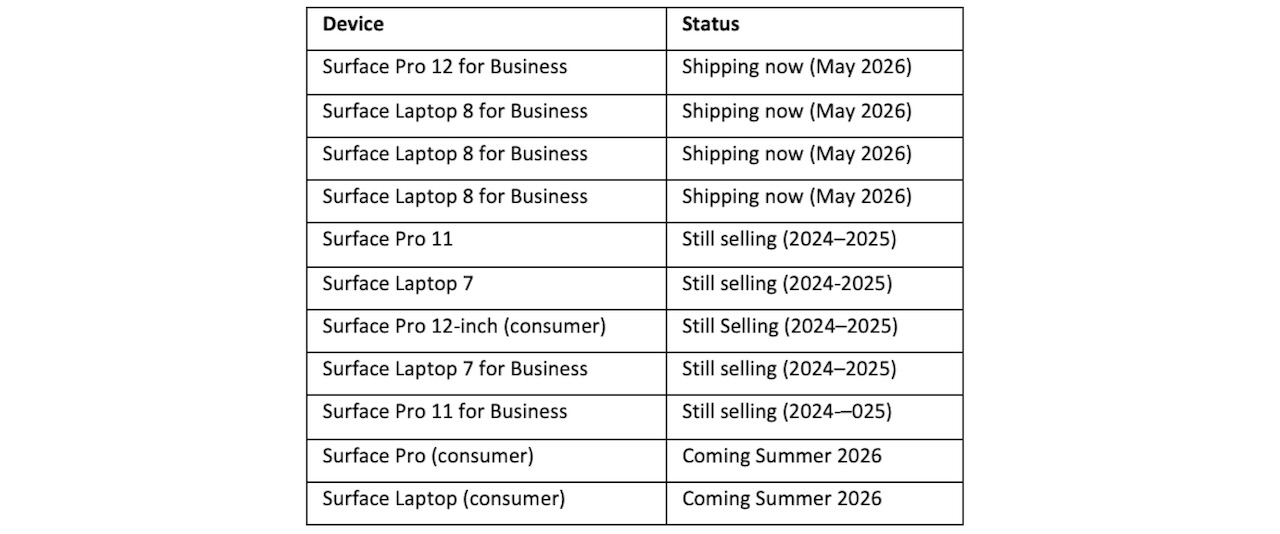
Table 2. Availability of the new Surface tablets. (Source: Microsoft)
The strategic split is now clear: Intel Panther Lake for business, Snapdragon X2 for consumers—two separate NPU performance tiers targeting two different buyer priorities.
Microsoft is extending Surface’s role beyond premium enterprise PCs into a tightly integrated AI endpoint platform built around security, local inference, and centralized management. The company’s latest Surface for Business systems combine hardware-level security, memory-safe firmware, on-device AI acceleration, and Microsoft-managed deployment tools aimed at enterprise IT environments. Microsoft is also positioning Surface as a reference platform for Windows AI APIs and hybrid AI workflows that distribute inference between local NPUs and cloud infrastructure. The strategy reflects growing enterprise demand for secure edge AI computing with centralized life cycle management.
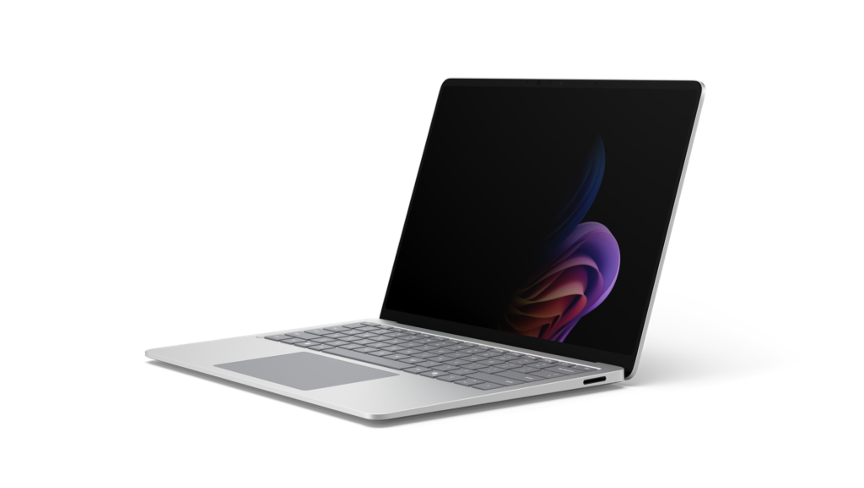
Figure 2. Surface Pro 12. (Source: Microsoft)
One of the most notable additions is an optional integrated privacy screen available on selected 13.8-inch Surface Laptop for Business configurations. Microsoft built the anti-glare visual privacy filter directly into the display stack rather than relying on third-party physical overlays. Users can activate the feature instantly through a keyboard shortcut, while IT administrators can manage it centrally through enterprise policy controls. Microsoft says the feature reflects the company’s broader security-by-design strategy built around tight hardware and software integration.
Security remains central to the Surface architecture. Microsoft says Surface is the first PC platform built on memory-safe firmware using its open-source Project Mu and Open Device Partnership UEFI framework alongside Rust-based drivers and a secure embedded controller rooted in hardware protection. The company is targeting one of the industry’s largest vulnerability classes by reducing exposure within low-level firmware and driver infrastructure.
Microsoft also continues positioning Surface as an AI-ready endpoint platform capable of supporting both cloud and local inference workloads. The systems support workloads such as real-time transcription, live translation, intelligent writing assistance, and localized image generation using on-device AI acceleration. Microsoft argues that hybrid AI deployment becomes increasingly important in environments where latency, connectivity, privacy, or infrastructure costs limit dependence on cloud-only inference.
The company is also positioning Surface as a development platform for enterprise AI applications built around Windows AI APIs and the Foundry platform. Microsoft says Surface provides developers with a stable hardware baseline for testing and deploying localized AI inference workloads capable of reducing cloud utilization and infrastructure expense.
Management and deployment remain tightly integrated into Microsoft’s enterprise stack. Surface for Business systems support Microsoft Intune, Windows Autopilot, and the Surface Management Portal for centralized provisioning, policy enforcement, firmware management, and zero-touch deployment workflows. Microsoft continues emphasizing end-to-end integration across hardware, operating system, management infrastructure, and productivity software as a core advantage for enterprise IT organizations deploying AI-capable endpoint devices at scale.
What do we think?
Microsoft is positioning Surface as more than a premium enterprise PC platform. The company is building a tightly integrated AI endpoint architecture that combines hardware security, local inference, centralized management, and Windows AI software infrastructure. Surface increasingly serves as Microsoft’s reference platform for hybrid AI deployment, especially in environments where privacy, latency, connectivity, and infrastructure cost constrain cloud-only inference strategies.
Microsoft’s latest Surface strategy signals an inflection point in enterprise AI computing. This inflection point emerges as AI workloads move from centralized cloud infrastructure onto managed endpoint devices with integrated NPUs and localized inference capability. Surface systems increasingly function as distributed AI clients capable of executing real-time transcription, translation, writing assistance, and inference directly on-device. If enterprises adopt hybrid AI deployment broadly, endpoint PCs could evolve into persistent edge-AI platforms tightly integrated with centralized cloud orchestration and enterprise security infrastructure.
LIKE WHAT YOU’RE READING? INTRODUCE US TO YOUR FRIENDS AND COLLEAGUES.