
We just added an announcements tracker to our AIP intelligence system, and the numbers surprised us. AIP start-ups have raised over $31 billion in funding. Only 22% posted a public update this year. That gap matters if you’re building on, investing in, or competing against these companies. Read on for the breakdown, and reach out if you want the full list.

We added a new report to our AIP tracker system this quarter: an announcements log. Over 105 companies have entered the AIP market and raised more than $31 billion in investment. The question follows directly: What have they built, shipped, or delivered with that capital?
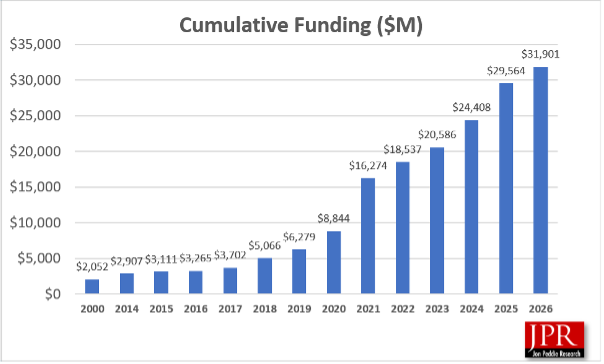
Figure 1. Over $31 billion has been invested in AIP start-ups.
The market now counts 153 suppliers, including publicly held companies. That count will not hold. Acquirers will buy some suppliers outright or through asset deals. Other companies will close and move into different ventures. Companies with no public activity make clear candidates for either outcome.
Our tracker now includes an announcements page, starting in Q1’26. This data extends our AIP Quarterly Update reportand flags which companies are publishing product news, partnerships, or funding rounds.
Announcement volume this year sits at 26 total, and three companies posted announcements in two or more quarters. That leaves 23 distinct companies with any public activity, roughly 22% of the market. The remaining 78% warrant close scrutiny. Silence at this stage often signals a company running low on runway, pivoting quietly, or preparing for an exit.
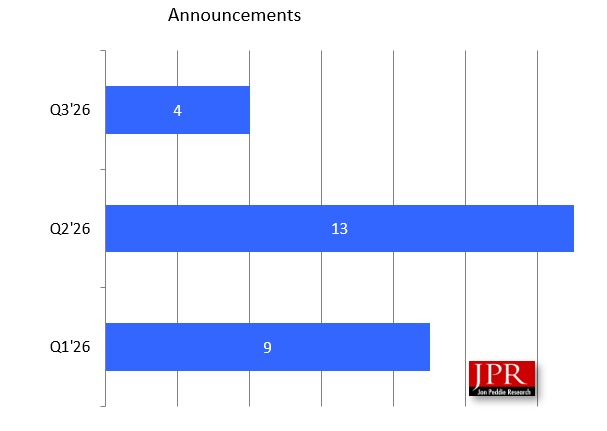
Figure 2. Announcements this YTD.
The report documents founding date, headquarters, total funding, primary product, active or inactive status, and a dated announcement history for each high-visibility company with strong public sourcing. It also flags roughly 30 smaller companies with limited verifiable information, a marker ISVs and silicon teams should treat as a risk signal before committing engineering resources or roadmap dependencies.
The list spans three groups: well-funded, well-documented companies; firms that recently exited stealth mode or reached unicorn status; and distressed or consolidating companies working through mergers, acquihires, or wind-downs.
For CIOs and IT buyers evaluating AIP vendors, this tracker offers a factual checkpoint against marketing claims. Vendor durability and product momentum now carry real weight in procurement decisions, alongside feature lists.
This dataset will keep growing every quarter, and the announcement gap gives us a clean way to separate active vendors from dormant ones. Track it alongside funding totals, and a clearer picture of AIP market health emerges quarter over quarter.
A 22% announcement rate signals a market thinning out faster than head count or funding totals suggest. ISVs and silicon teams should weigh integration decisions toward vendors with recent, verifiable activity. CIOs should treat prolonged silence as a procurement risk signal and revisit vendor short lists each quarter as this tracker updates.
If this is of interest to you, send Jon a note ([email protected]), and he’ll tell you more.
WHAT DO YOU THINK? LIKE THIS STORY? TELL YOUR FRIENDS, TELL US.