
In September, OpenAI reportedly commissioned Broadcom to build a custom AI processor after finding no suitable option among 139 candidates. It then asked Luxshare, the Chinese assembler, to produce an OpenAI “AI toy,” likely powered by the forthcoming Broadcom chip. OpenAI is exploring a broader hardware roadmap—smart glasses, wearable pins, and advanced voice recorders—leveraging external manufacturing while recruiting ex-Apple talent. Investors will watch whether AI-native devices gain traction; success hinges on execution, user adoption, and uncertain demand for AI gadgets.
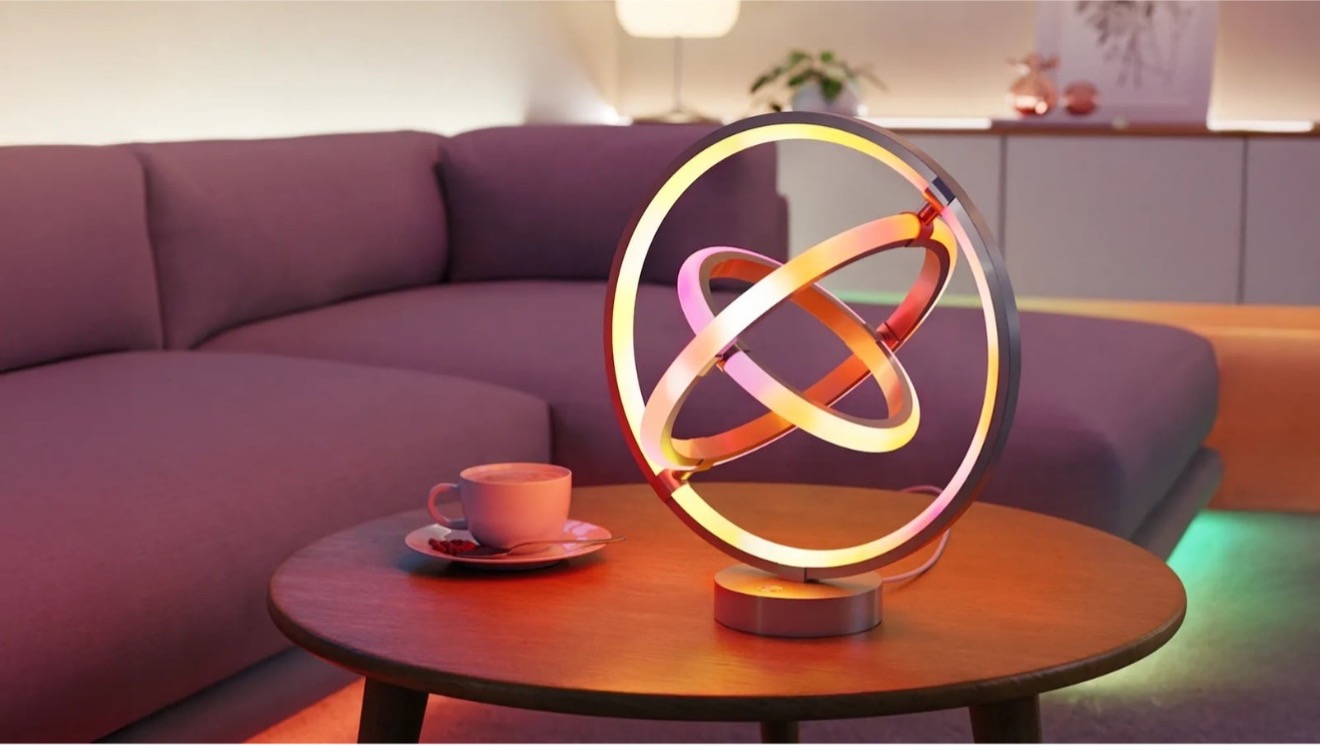
Lepro TB1 AI Smart Table Lamp.
Not able to find a suitable AI processor among the existing 139, in September, OpenAI commissioned Broadcom to build a custom device for them. Then, not able to find a suitable AI device (toy?) in the list of 895 such gadgets, OpenAI, armed with too much money, commissioned Luxshare, a Chinese assembly house, to build OpenAI’s AI toy, presumably to be powered by the forthcoming Broadcom AI chip.
Evidently, OpenAI does not use its own tools to search for chips or AI toys, even though it allegedly has assembled a crack team of over 25 former Apple employees with deep expertise in design and engineering.
OpenAI is allegedly developing plans beyond a single device to encompass various AI-powered hardware gadgets. The company is exploring concepts including smart glasses, wearable pins, and advanced digital voice recorders through collaborative design processes.
OpenAI plans to combine its AI capabilities with established manufacturing partnerships to create products that transform human-technology interaction paradigms. This strategy represents a wide-ranging approach to consumer technology markets rather than isolated product development initiatives.
The technology and financial community will be monitoring OpenAI’s progress to determine whether the company can establish new market categories or whether AI-native devices will encounter adoption challenges within existing consumer electronics landscapes. Success depends on execution capabilities and market reception of integrated AI hardware solutions. And since no AI gadget has yet to catch on, the odds seem a bit daunting, despite Jony Ive’s clever creations in packaging.
All this activity and investment just raise the excitement and worry level about AI even further. AI is changing the landscape faster than the steam engine, electricity, and the World Wide Web.
Did you find this interesting? Wait till you hear about our forthcoming 330-page report on the $85 billion AI-processor boom attracting 139 companies across 18 countries. Don’t keep it a secret, tell your friends, family, and enemies.