
One central theme in this year’s Siggraph programming slate is research that harnesses the same tools used in films, games, and visual effects to design, train, and deploy real-world robots, as the field of robotics continues to expand.
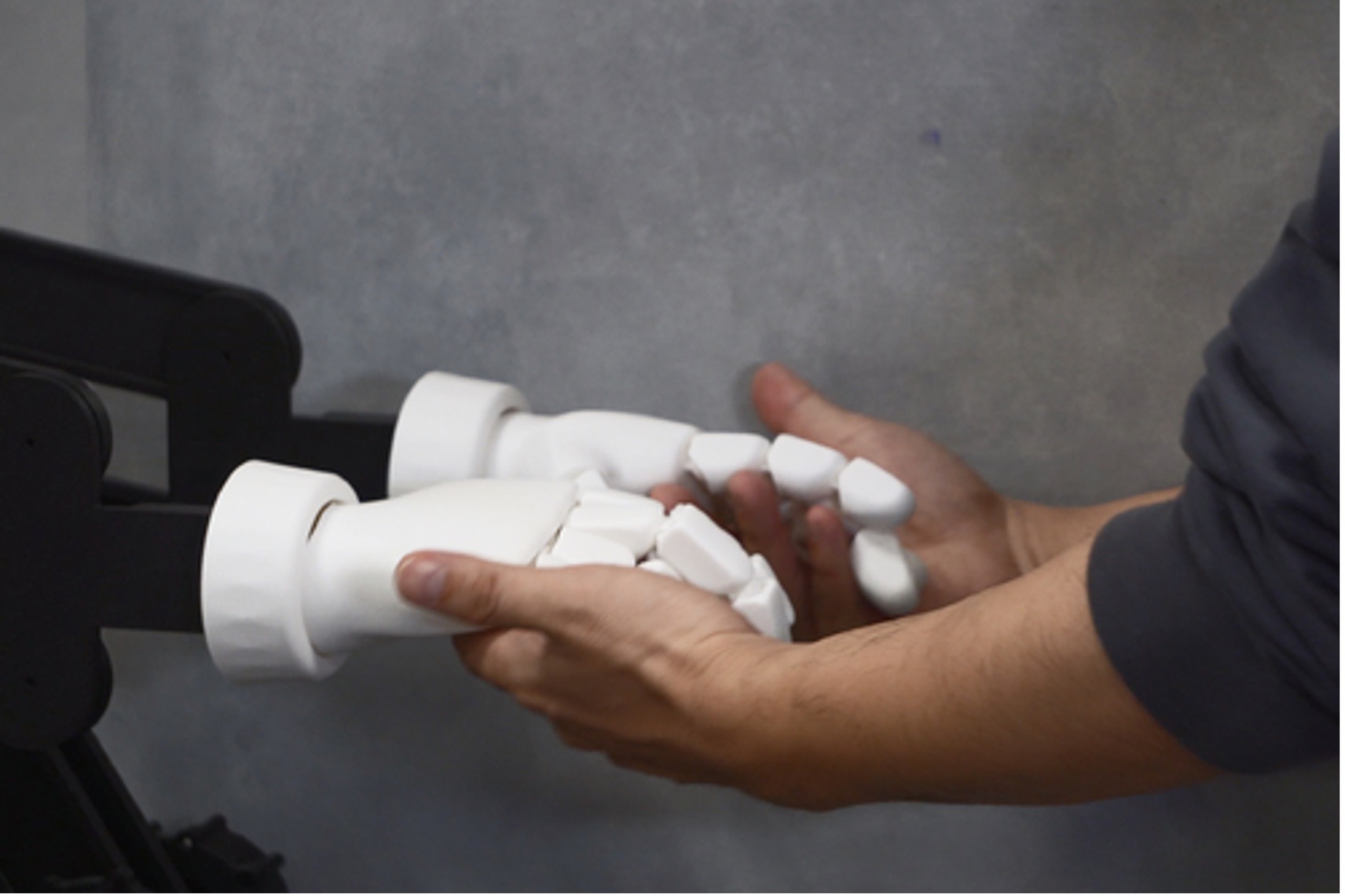
“Shall We Dance? Resonance of Intentions with an embodied agent based on the Free Energy Principle” introduces an agent that negotiates intentions through physical interaction, synchronizing with a human partner’s choreography and tempo in real time. (Source: © Takeru Hashimoto)
Computer graphics and robotics have been converging for years, as the lines among computer graphics, physics, and AI are becoming more blurred, resulting in robotics becoming more pervasive, notes Siggraph 2026 Conference Chair Chris Redmann. In recognition of this trend, Siggraph 2026 will be showcasing advances in CG that are helping to shape the future of intelligent machines—a theme that will be woven into various aspects of the conference, including Technical Papers, Emerging Technologies, Courses, Spatial Storytelling, Art Papers, Talks, and more.
As CG, physics, and AI are naturally becoming more intertwined, “it opens up new horizons and pathways for computer graphics research and new modes of interactivity, where the physical world and the digital world become even more complementary,” Redmann says.
A central theme across the robotics programming is simulation-first development, in which robots are designed, trained, and validated in virtual environments before entering the physical world. A second thread reimagines how people and robots interact, often in strikingly personal ways. A third theme looks at robotics as a creative medium.
Siggraph 2026 takes place in Los Angeles July 19–23.
LIKE WHAT YOU’RE READING? INTRODUCE US TO YOUR FRIENDS AND COLLEAGUES.