
Welcome to our latest look at the evolving world of computer hardware. Intel has navigated a complex and fascinating path with its discrete graphics chips, moving from high-energy gaming ambitions to a focused strategy centered on professional AI and data centers. In this article, we track that journey through the Alchemist, Battlemage, and Celestial architectures. You will see how leadership changes and market shifts helped Intel refine its goals, ensuring its technology meets the specialized needs of today’s rapidly changing digital landscape.
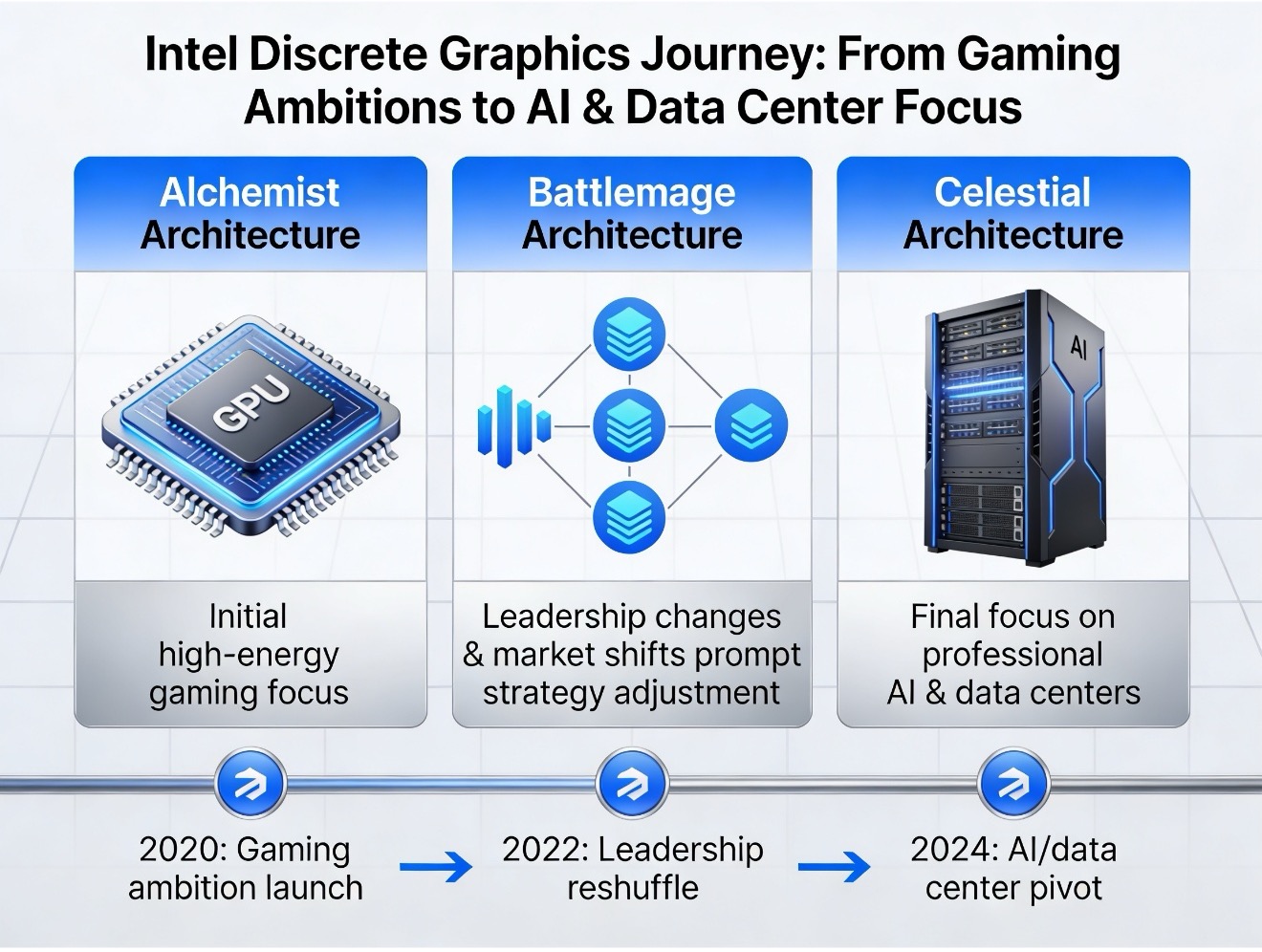

Intel’s journey into the discrete GPU (dGPU) market represents one of the most significant architectural undertakings in the company’s history. This effort, spanning over a decade of planning and execution, moved through three primary phases: the Alchemist (Xe-HPG), Battlemage (Xe2-HPG), and the upcoming Celestial (Xe3) architectures. While Intel initially pursued the consumer gaming market with aggression, a clear strategy shift in early 2026 indicates a move away from high-end discrete gaming GPUs. Instead, the company now prioritizes integrated graphics and high-margin data center solutions.
The Alchemist and Battlemage eras
The roadmap began in earnest with Alchemist. Intel launched the Arc A380 in June 2022, marking its first serious retail shipment of a discrete AIB in decades. The flagship Arc A770 followed in October 2022, offering a 16 GB Limited Edition design that served as a reference for the industry. While these AIBs established Intel as a third player in the market, the company eventually sunset the A770 Limited Edition in July 2025 to make room for the next generation.
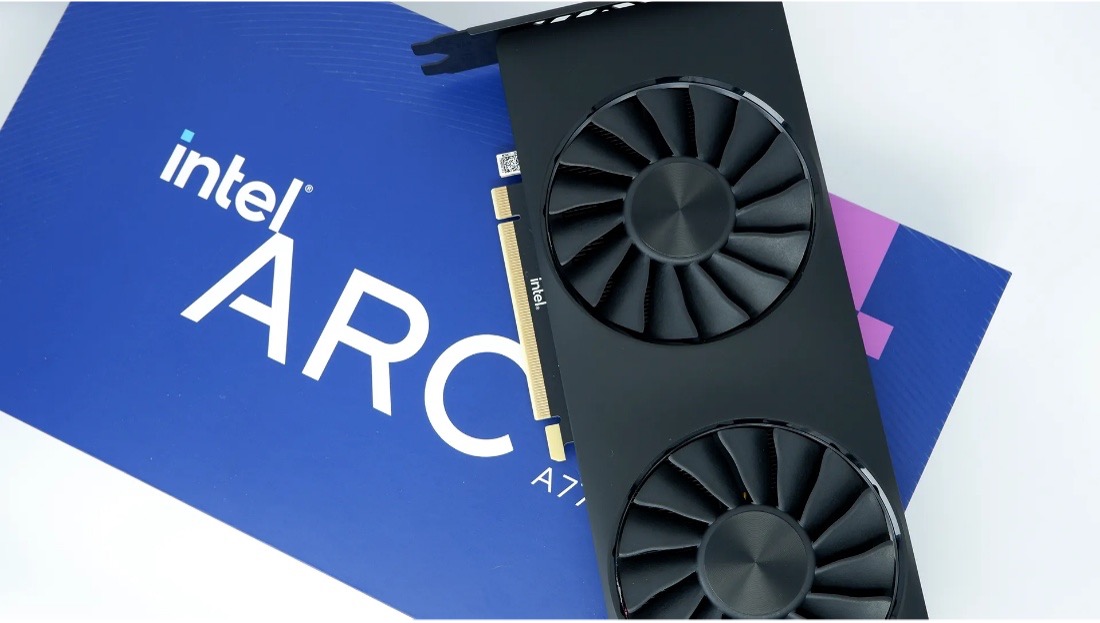
Figure 1. The Arc A770 Limited Edition (Alchemist), the flagship reference design for the first generation of Arc desktop GPUs. (Source: Intel)
The Battlemage (Xe2) generation arrived in late 2024 with the Arc B580 and B570. These AIBs maintained Intel’s presence in the retail desktop space, but the real shift occurred in March 2026. Intel launched the Arc Pro B series, specifically the B70 and B65 workstation AIBs. These professional units emphasize AI workloads and high-end rendering, offering up to 32 GB of VRAM and ECC memory support. This move confirmed that Intel viewed the workstation and local AI inference market as more viable than the hyper-competitive consumer gaming segment.
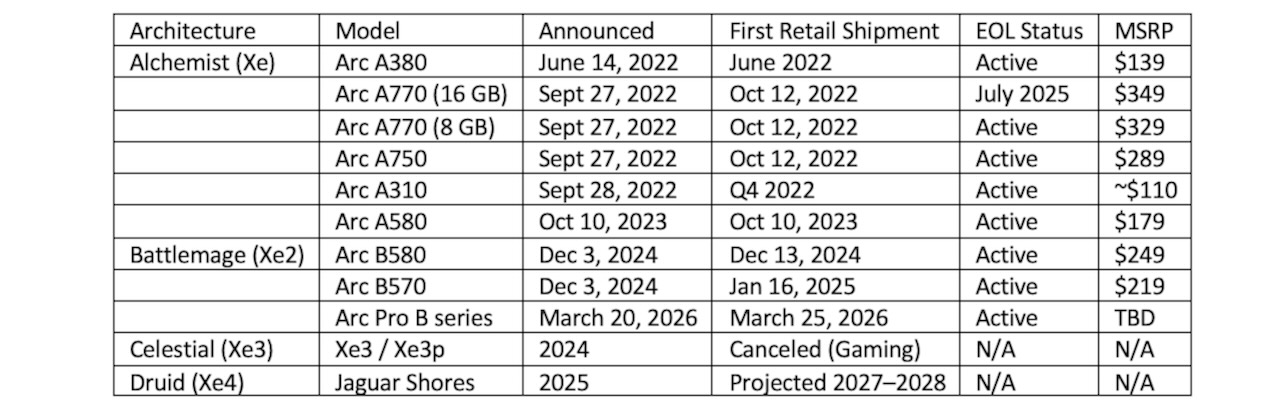
Table 1. Intel discrete GPU release history & roadmap.
The Celestial Cancellation: In April 2026, reports confirmed that Intel canceled the Xe3p Celestial discrete gaming GPUs. Instead, the Xe3 architecture is being repurposed for integrated graphics (Panther Lake CPUs) and Crescent Island data center GPUs.
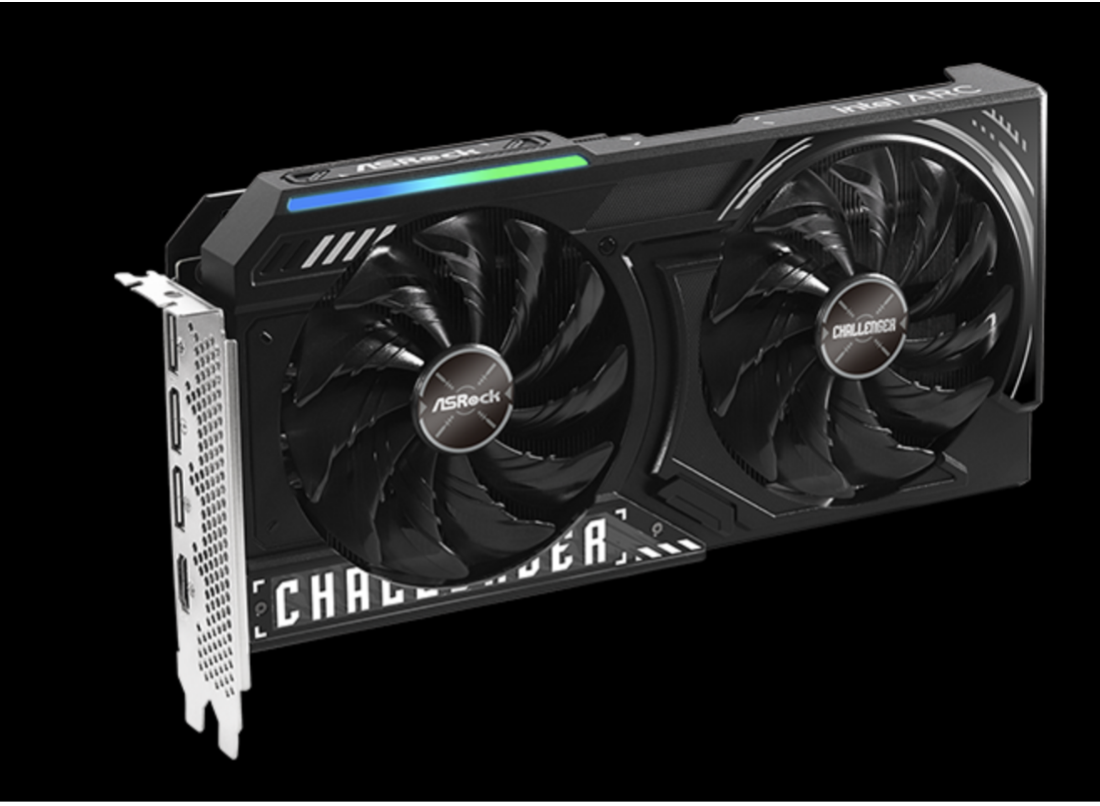
Figure 2. Arc B580 (Battlemage), the latest retail desktop GPU from the Xe2 architect.
In April 2026, reports confirmed that Intel canceled the Xe3p Celestial discrete gaming GPUs. This decision redirected the Xe3 architecture toward integrated graphics for Panther Lake CPUs and Crescent Island data center chips. This cancellation creates a gap in Intel’s discrete gaming lineup until at least 2028. Future hopes now rest on the Xe4 Druid architecture, currently linked to a massive AI project code-named Jaguar Shores.
Workstation (Arc Pro) roadmap
Intel has increasingly pivoted its dGPU resources toward professional users. The Arc Pro B series (B70, B65, B60, B50) launched in March 2026, offering features like ECC memory and Gen 5 PCIe support to capture the high-margin AI development market.
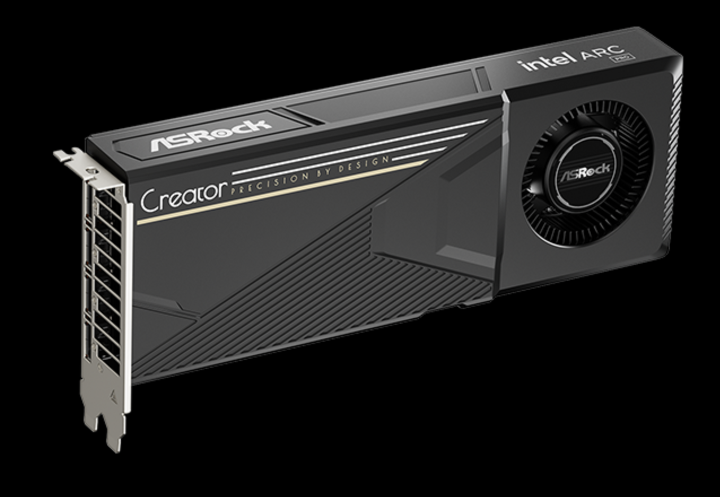
Figure 3. Intel Arc Pro B70 Creator 32 GB. (Source: Intel)
Intel has aggressively pivoted its Arc Pro B series toward professional AI and visualization, offering up to 32 GB VRAM. These workstation-certified GPUs now emphasize local inference and high-end rendering over consumer gaming.
High-performance computing: Ponte Vecchio
Parallel to the consumer Arc project, Intel developed Ponte Vecchio (Xe HPC). This “technical marvel” targeted the exascale supercomputing market, specifically the Aurora system at Argonne National Laboratory. It featured 47 individual chiplets and over 100 billion transistors. However, Intel began sunsetting Ponte Vecchio in May 2024 due to manufacturing complexity and late arrival. By the time it shipped in volume, Nvidia’s Hopper architecture dominated the data center market.

Table 2. Supercomputer Xe-based accelerators.
Intel now focuses on Jaguar Shores for mid-2026. This system-level solution will likely utilize HBM4 memory to compete with Nvidia’s Rubin and Blackwell architectures in rack-scale AI deployments.
Leadership and the road ahead
Frequent leadership changes defined the Xe project’s evolution. Ari Rauch initiated the strategy in 2015, followed by Raja Koduri, who became the public face of the Xe architecture. Koduri departed in early 2023, leading to Deepak Patil taking over the Accelerated Computing Systems and Graphics (AXG) group. Patil stabilized the group, shifting focus toward efficient execution and tighter integration with Intel’s data center goals. Tom Petersen, a Fellow who joined from Nvidia in 2019, remains the technical bridge between engineering and the market.

Table 3. Xe project management timeline
As of mid-2026, the management structure under Patil emphasizes architectural conservatism and stability. The Arc Pro B-series launch confirms that Intel now prioritizes the professional AI developer over the enthusiast gamer, a trend likely to continue through the end of the decade.
What do we think?
Intel’s strategic withdrawal from high-end gaming dGPUs suggests a pragmatic realization: They cannot out-muscle Nvidia in the consumer space while fighting a multi-front war in the data center. By repurposing Celestial for integrated graphics and focusing discrete efforts on workstation AI, Intel secures high-margin niches. This pivot ensures survival and relevance in the AI-driven silicon era.
The cancellation of consumer Celestial and the acceleration of Jaguar Shores mark a definitive inflection point for Intel. The company has officially abandoned the quest for gaming dominance to focus on the infrastructure of artificial intelligence. This shift forecasts a broader industry inflection point where general-purpose graphics silicon yields to specialized AI-centric architectures, prioritizing professional inference and data center scale over traditional entertainment hardware.
Coming up next, Part III: The evolution to AI. See Part I here.

LIKE WHAT YOU’RE READING? TELL YOUR FRIENDS; WE DO THIS EVERY DAY, ALL DAY.