
Picture a CEO walking through a hall of real-time data the way a visitor walks through a museum exhibit. That’s the idea behind a new patent for a fully immersive 3D situational-awareness room, built with game-engine ray tracing, that pulls in web content, video, documents, and live business metrics across dozens of virtual displays at once. AI agents narrate and analyze what’s on screen, voice prompts drive the interaction, and the whole environment streams to anyone over a standard Internet connection. We break down how it works.
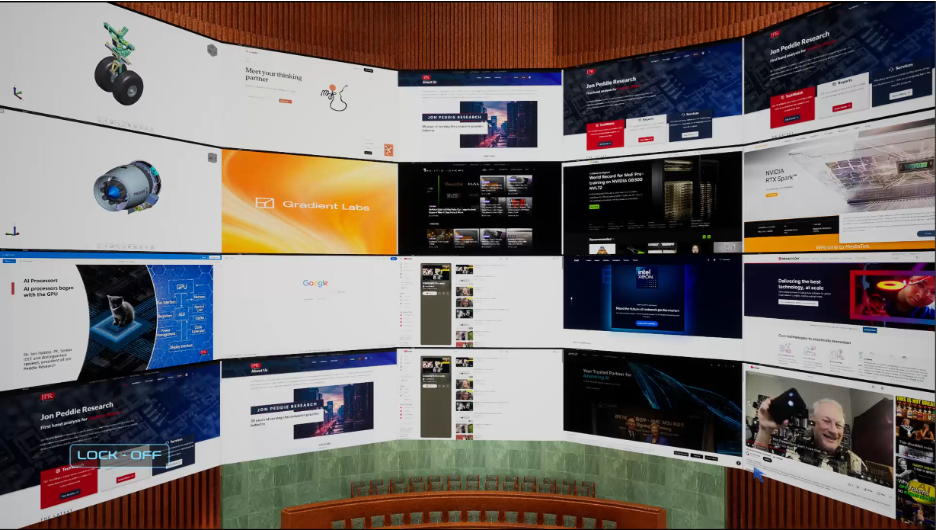
(Source: AstroVirtual)
Executives digest a lot of content quickly, and rarely in one format. A museum visitor walks through an exhibit, absorbing images, artifacts, and text in sequence. A CEO or founder faces something harder: images, video, slide decks, documents, web pages, email, text messages, and audio recordings, all carrying status information that matters, often urgently. Existing tools fall short of that job. Content doesn’t always live in web-page form to begin with. Even when it does, a single web page limits how much variety a person can absorb at once, and jumping between pages or entire websites eats time and breaks concentration exactly when someone needs to move fast.
Remote access compounds the problem. A decision-maker working away from headquarters still has to navigate the same scattered mix of web pages and sites to reconstruct real-time status, and often needs input from a subject-matter expert before committing to a call. Stitching that together on the fly, across multiple browser tabs and applications, works against the speed the situation demands.
A new patent from AstroVirtual describes a different approach: build the situational-awareness center as a place, not a stack of browser tabs. The invention generates a fully-immersive, photorealistic 3D environment using real-time ray tracing, the same rendering technique modern game engines use, and arranges anywhere from four to more than 100 virtual 3D displays inside it. Each display can hold web-browser-derived content pulled in real time, images, video, slides, documents, live pages, whatever the situation calls for, assembled into what the filing calls a virtual collaborative 3D situational-awareness center or room.
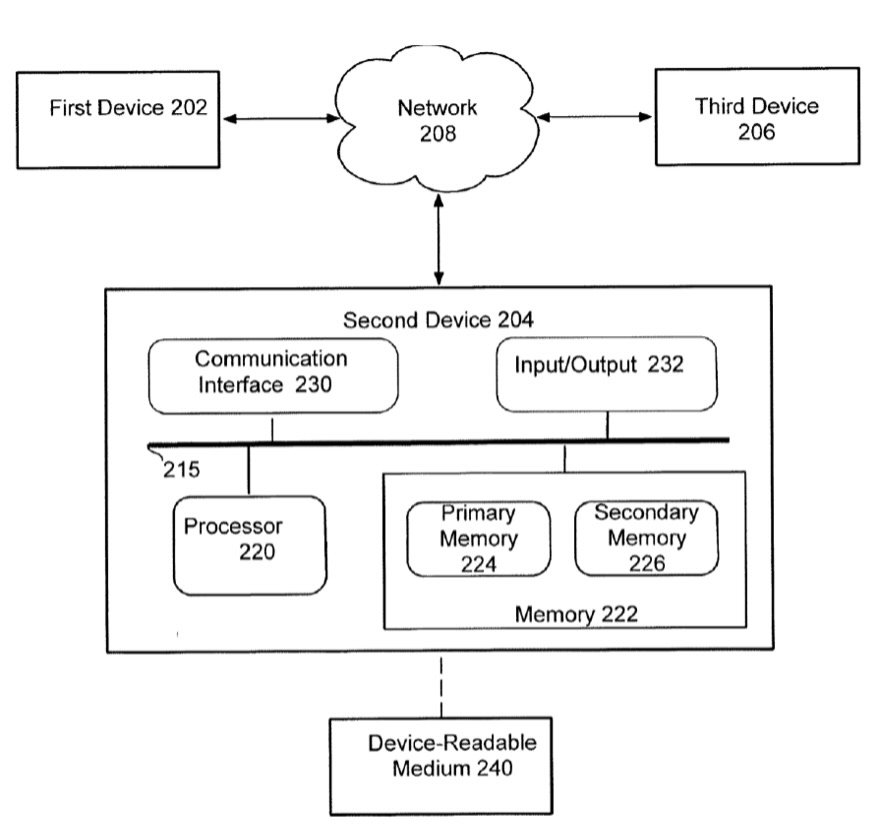
Figure 1. AstroVirtual’s block diagram. (Source: AstroVirtual)
The whole environment streams over a standard Internet connection, so a remote participant sees the same room, the same displays, the same live content as anyone standing inside it. Layouts save as templates, and a specific arrangement of populated displays saves as a virtual set, letting a team rebuild a familiar configuration instead of starting from a blank room every session.
AI assistance runs through the entire system, not as an add-on. Natural language multimodal prompts, including conversational voice, let a person talk to the room directly instead of clicking through menus, and the system responds the same way. Behind that interface, AI-assisted signal processing analyzes the past, present, and predicted future state of whatever environment someone selects, generating what the filing calls cognitive analytics. Agentized processing extends that further: The patent specifically describes an information scientist agent, an AI role built to handle the research and synthesis, work a human analyst would otherwise do manually.
One selected environment can be a business itself, tracked through profits, sales, revenue, and operating costs. A specific virtual instrument named the Return Map takes those same metrics and projects them forward, extending past and present business performance into a modeled future. Updates to any of it can run periodically, aperiodically, continuously, or continually, depending on what the situation needs, supporting closed-loop or semi-closed-loop decision-making where the system and the human stay in an ongoing feedback cycle, not a single static report.
Nothing about this invention requires new hardware at the viewer’s end. Streaming over a standard Internet connection means the immersive room reaches anyone with a normal connection, not a dedicated VR rig or a specialized workstation. That detail matters more than it looks: The patent describes a way to turn a browser’s worth of scattered information into a walkable, explorable space, then hands that space to a remote executive, a board member, or an outside expert without asking any of them to install anything unusual first.
The filing covers the idea from two directions: as a non-transitory storage medium carrying the instructions, and as the method those instructions perform—a standard way patent applications protect both the software artifact and the process it executes. Dependent claims narrow the scope further, covering the voice-prompt interaction specifically, the cognitive-analytics processing specifically, the Return Map specifically, and the information scientist agent specifically, building a layered set of protections around each distinct piece of the system, not one broad claim covering everything at once.
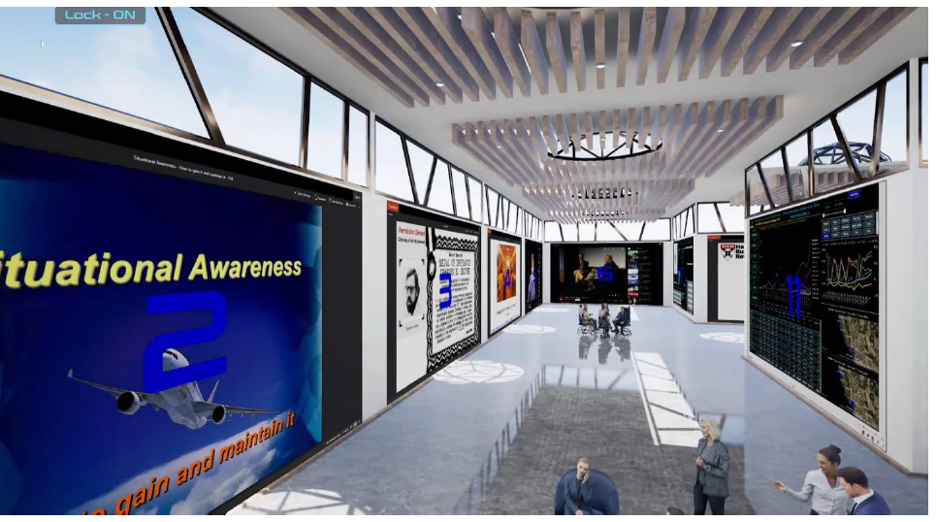
Figure 2. Another viewpoint. (Source: AstroVirtual)
Picture the actual use case end to end: A founder opens the room and finds 40 screens already arranged from a saved template, financial dashboards on one wall, competitor news pulled live on another, an ongoing video call with the board on a third. An information scientist agent has already synthesized the morning’s relevant coverage into a summary panel. The founder asks the room a question out loud, gets a spoken answer pulled from the live data, and adjusts the Return Map to test a different revenue assumption before the call even starts. None of that requires a headset welded to a data center rack. It requires a browser, a login, and a room built once and reused every day after.
The patent describes what the inventor believes is possible, not what has shipped. Nothing here confirms a working product exists, or when one might. What the filing does confirm is a specific, detailed bet: that the next interface for digesting real-time information looks less like a browser window and more like a room that a person can walk into, ask questions of, and leave with an answer. However, a prototype does exist, and we’ve been testing it—more on that in a future review.
What do we think?
Ray tracing, voice AI, and agentized analytics all exist independently today; the genuine contribution is combining them into one navigable space, not one more dashboard. Whether real executives choose to walk through a virtual room instead of scanning a screen is the open question, not the engineering. Streaming over standard Internet, without special hardware, is the detail most likely to drive adoption.
Inflection point: A patent describing a walkable, AI-narrated room for real-time data marks an inflection point in how interfaces for decision-making might work: the browser tab, the default unit of digital information for three decades, becomes raw material here, not the final destination. Pair that with agentized processing doing the research work and voice as the primary input, and the filing points toward a future where executives stop hunting across tabs and start walking through a space built to answer questions before they finish asking.
For further information, contact [email protected].
LIKE WHAT YOU’RE READING? INTRODUCE US TO YOUR FRIENDS AND COLLEAGUES.