
Gaming GPUs have always had the machinery needed for AI; much of Nvidia’s AI business grew from GPU technology developed for graphics and parallel computing. The RTX 5090 makes that connection unusually visible. It offers serious AI compute at a fraction of professional-GPU pricing, provided the workload fits within 32 GB and can live without ECC. The RTX Pro 6000 addresses a different problem: larger models, longer jobs, greater reliability, and enterprise deployment. The workload determines the economics.
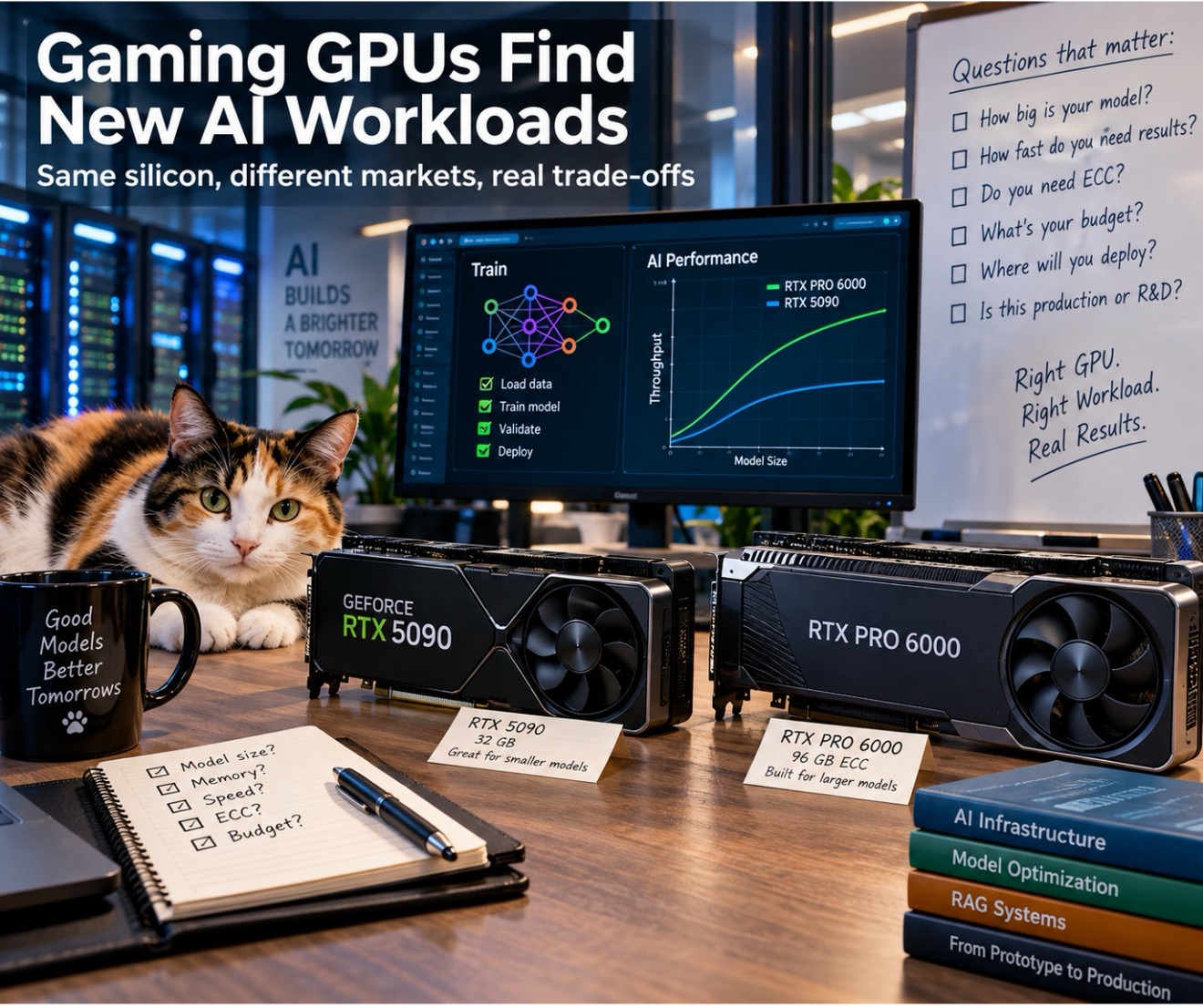
Gaming GPUs were AI processors already. (Source: JPR AI)
The sudden appearance of GeForce RTX 5090 cards in AI servers sounds like an unexpected crossover between gaming and artificial intelligence. It really represents another stage in a relationship that goes back decades. AI researchers adopted GPUs because graphics processors already provided highly parallel arithmetic engines. Nvidia subsequently added tensor cores, lower-precision formats, larger memory systems, and software that increasingly optimized the architecture for AI.
The RTX 5090 makes the relationship particularly clear. Nvidia builds the GeForce RTX 5090 and RTX Pro 6000 Blackwell on the GB202 GPU. The 5090 enables 170 SMs and 21,760 CUDA cores. The Pro 6000 enables 188 SMs and 24,064 CUDA cores. Both products, therefore, start with substantially the same computational foundation. Nvidia differentiates them through enabled resources, memory configuration, ECC, clocks, power limits, drivers, qualification, and deployment support.
That makes a 5090 a legitimate AI processor. Whether it makes sense as an AI system component depends on the job.
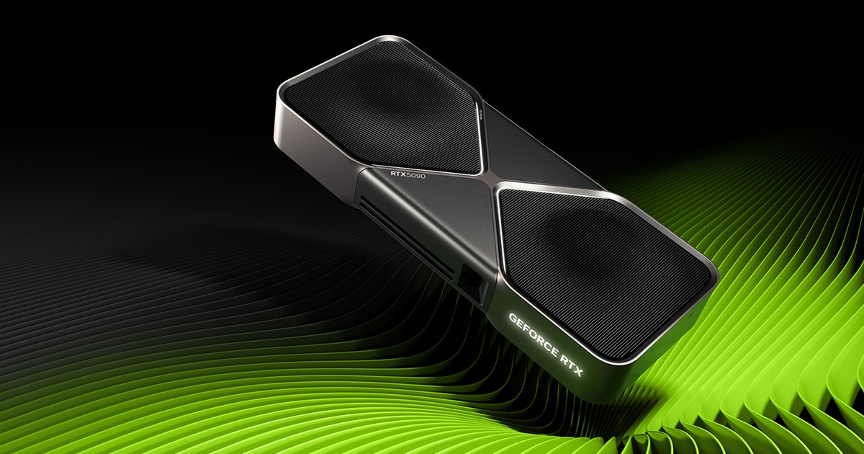
Figure 1. Nvidia’s RTX 5090. (Source: Nvidia)
For an ISV running a dedicated RAG system, experimenting with models, developing AI software, or fine-tuning a modest model, a 5090 can provide a lot of compute for the money. A hyperscaler faces different requirements. It must accommodate varying model sizes, large batches, high concurrency, long-running jobs, and service-level commitments. Reliability becomes part of performance because a failed training run wastes the time, power, and compute invested in it.
Memory draws the first boundary
Memory capacity creates the clearest distinction. The GeForce RTX 5090 carries 32 GB of GDDR7. The RTX Pro 6000 carries 96 GB. That three-to-one difference determines which models and training methods can remain resident on one GPU. The source material estimates that full FP16 fine-tuning of a 7B-parameter model can require roughly 80 GB once weights, gradients, optimizer state, and working memory enter the calculation. LoRA and other memory-efficient techniques can bring a 7B-class workload within the 5090’s range.
That distinction matters more than a simple CUDA-core comparison. When the model fits inside 32 GB, the 5090 can deliver compute performance surprisingly close to its professional sibling. When the workload needs 40, 60 or 80 GB, the 5090 runs into a physical capacity limit. Developers can use quantization, CPU offload, gradient checkpointing, or multiple GPUs. Each technique changes performance, complexity, or model behavior.
The Pro 6000’s 96 GB lets developers attack those workloads directly. It also gives inference systems considerably more room for model weights, KV cache, longer contexts, and concurrent sessions.
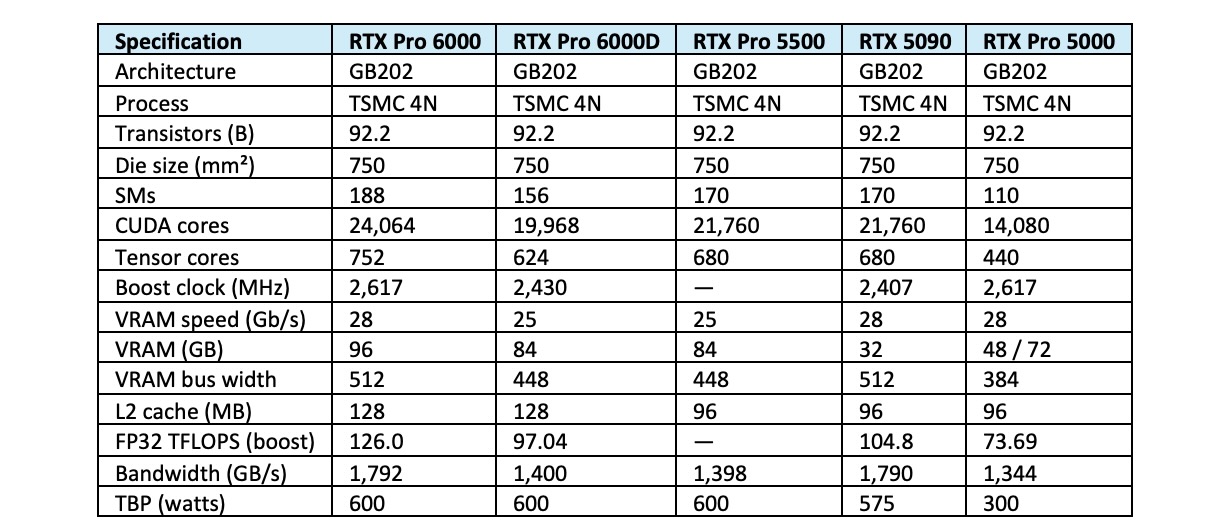
Table 1. Nvidia Blackwell GPU comparison.
The specifications show how closely Nvidia can position several products around one piece of silicon. The 5090 delivers 104.8 FP32 TFLOPS and 1,790 GB/s of bandwidth. The Pro 6000 reaches 126 TFLOPS and 1,792 GB/s. Raw bandwidth differs by almost nothing. Memory capacity differs by 64 GB.
Reliability costs money
ECC provides another dividing line. The 5090 does not provide ECC memory; the Pro 6000 does. A bit error in a gaming session may produce an artifact or crash. A memory error during a long training job can damage a checkpoint or calculation and force the team to repeat expensive work. The probability matters less for a five-minute experiment than for a multi-day production training job.
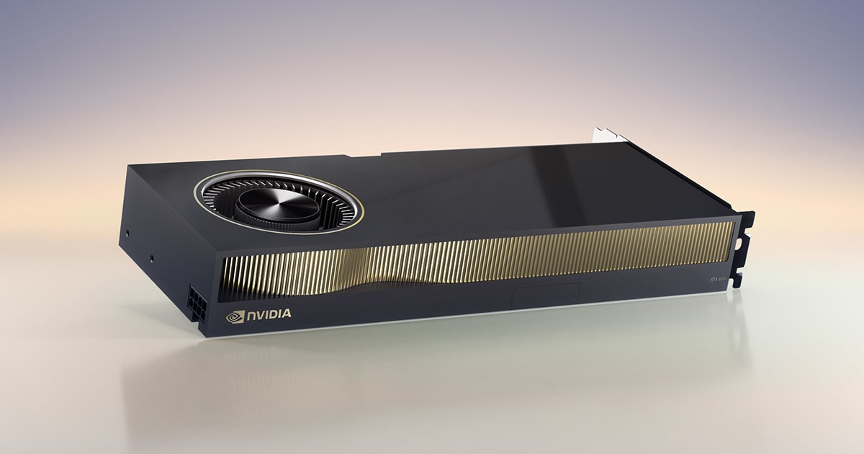
Figure 2. Nvidia’s RTX 6000. (Source: Nvidia)
That makes ECC an engineering and economic variable. An enterprise paying engineers, electricity, and data center costs for long training runs has more money at risk than someone developing a small model on a workstation. The Pro 6000 addresses that environment. The 5090 addresses users willing to trade some resilience and enterprise features for lower acquisition cost.
Throughput introduces another consideration. Sustained AI workloads keep processors busy for hours or days and can expose differences that short benchmarks conceal. Production inference also adds concurrency. More simultaneous requests increase KV-cache requirements and memory pressure. The same GPU that looks fast with one prompt can behave differently when dozens of users compete for its resources.
Nvidia fills the gap
Nvidia’s RTX Pro 5500 makes the segmentation strategy even clearer. It uses the same GB202 silicon and enables the same 170 SMs and 21,760 CUDA cores as the 5090. Nvidia equips it with 84 GB of GDDR7, creating a product with 2.6 times the 5090’s memory while retaining essentially the same core configuration.
The memory system changes in the process. The Pro 5500 uses a 448-bit interface and 25 Gb/s GDDR7 for 1,398 GB/s of bandwidth. The 5090 uses a 512-bit interface and reaches 1,790 GB/s. Nvidia, therefore, gives the professional card much greater capacity without giving it greater memory bandwidth.
That product says something important about AI demand. Nvidia can take substantially the same compute configuration and create another professional tier primarily by changing memory capacity and platform characteristics. For many AI developers, memory has become as important as arithmetic throughput.
China pushes the idea further
Chinese hardware suppliers have taken the concept to another level. The material describes a purported modified RTX 5090 with 96 GB, reportedly offered by Shenzhen Suqiao for $3,888. The board apparently uses a custom PCB and clamshell memory arrangement. The listing contains questionable specifications, including references to GDDR6X and 14 Gb/s memory, so buyers should treat the product and its specifications cautiously.
The engineering idea remains plausible because Nvidia itself demonstrates that GB202 can address 96 GB on the RTX Pro 6000. Making such a modified board operate reliably introduces firmware, PCB, thermal, driver, and qualification issues. The source notes that modified Nvidia boards have historically required firmware changes and cites reports of leaked RTX 5090 firmware. However, the standard Nvidia GeForce RTX 5090 is not officially or legally sold through authorized retail channels in China.
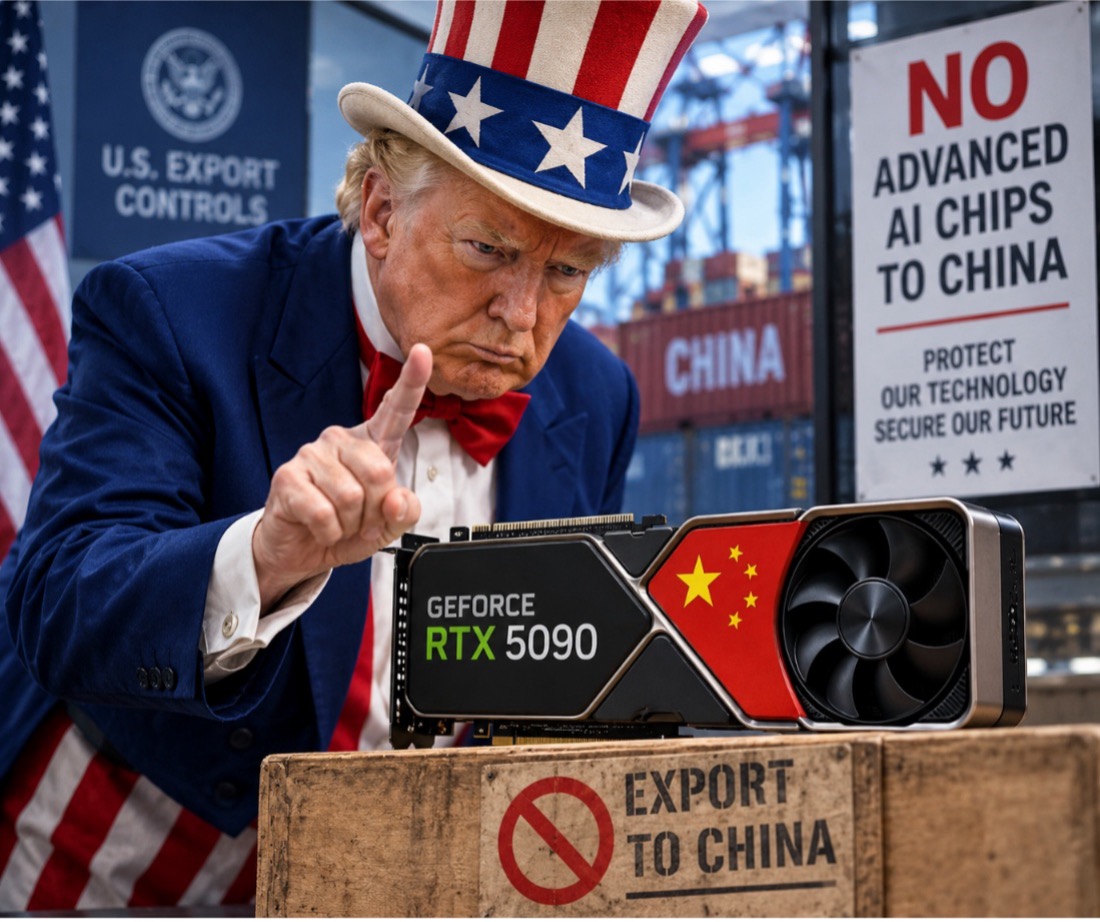
Figure 3. No 5090s in China! (Source: JPR AI)
That development also explains why gaming GPUs attract AI buyers outside conventional enterprise channels. Compute has value independent of the market label on the box. When buyers face high professional-GPU prices, constrained availability, or export restrictions, they look for another way to obtain the required compute and memory.
The workload sets the price
For CIOs and IT managers, the decision should start with the model rather than the GPU. How large is it? How much memory does training actually consume? How quickly must the system return results? How many simultaneous jobs must it support? Does a failed 48-hour training run create a material business cost? Does the deployment require ECC, professional drivers, and vendor qualification?
A dedicated internal RAG application may answer those questions in favor of a 5090, or something smaller. A research team may prefer several inexpensive consumer GPUs because experimentation matters more than centralized memory. An enterprise that’s training larger models for production may reach the opposite conclusion quickly.
This also explains why comparing a $4,000- to $5,000-class 5090 with a much more expensive Pro 6000 purely on TFLOPS misses the point. Buyers do not pay several times more to obtain several times the arithmetic. They pay for capacity, reliability, qualification, deployment flexibility, and the ability to run workloads that the smaller memory configuration cannot accommodate.
Gaming GPUs have become visible in AI servers because the boundary between graphics and AI compute never rested on the silicon alone. Nvidia can use GB202 across gaming as well as workstation and enterprise products because each market places different demands on the same underlying architecture. The 5090 gives smaller AI workloads access to substantial compute at lower cost. The Pro 6000 adds the memory and resilience required as models, workloads, and business consequences grow. Matching those requirements correctly matters more than the name Nvidia prints on the board.
What do we think?
The 5090 makes sense for small models, dedicated RAG, development, and cost-sensitive AI work when 32 GB provides enough memory. The Pro 6000 earns its price when workloads require 96 GB, ECC, sustained operation, and professional deployment. ISVs and CIOs should size the GPU around model memory, throughput, and reliability requirements rather than product category or peak TFLOPS alone.
Inflection point. Gaming GPUs moving into AI servers signal an inflection point in how buyers value accelerators. AI has turned memory capacity, reliability, and software support into product-defining variables, while making the underlying compute increasingly interchangeable across market segments. The 5090 shows how much AI work consumer hardware can handle. The Pro 5500 shows Nvidia responding with more memory. Modified 96 GB 5090s show what happens when users push segmentation further: AI demand starts reorganizing GPU products around workloads rather than labels.
(Source: JPR AI)
LIKE WHAT YOU’RE READING? TELL YOUR FRIENDS; WE DO THIS EVERY DAY, ALL DAY.